Maintaining and improving a property involves more than addressing problems as they arise. A well-planned approach can help homeowners protect their investment, improve everyday functionality, create more enjoyable outdoor spaces, and address maintenance concerns before they become larger projects. From essential structural work to enhancements designed around comfort and appearance, different services can contribute to a property’s long-term condition.
The right improvements will depend on the property’s age, existing features, climate, intended use, and the homeowner’s priorities. Some projects focus on protection, while others add usable space or refresh an aging appearance. Understanding what each type of service accomplishes can make it easier to establish priorities, compare project options, and create a practical maintenance plan.
Protecting the Property From Above

The roof is one of the property’s most important protective features. It helps shield the interior from precipitation, wind, sunlight, and other environmental conditions. Because roofing problems can allow moisture to reach areas that are difficult to inspect, regular attention can help homeowners identify concerns before they result in more extensive damage.
When repairs, maintenance, or replacement become necessary, working with a local roofing contractor can provide valuable knowledge of regional weather conditions and commonly encountered roofing concerns. A professional can evaluate visible components, identify areas requiring attention, and explain whether maintenance, repair, or replacement is appropriate.
Homeowners can also watch for warning signs between professional inspections, including:
- Missing, cracked, or damaged roofing materials
- Water stains on ceilings or walls
- Visible deterioration around flashing
- Sagging areas along the roofline
- Excessive granules accumulating in gutters
- Damaged or deteriorating roof edges
Roofing work should not be approached solely as an aesthetic project. Even a roof that appears acceptable from the ground can have concealed issues involving flashing, ventilation, drainage, or underlying materials. Addressing problems promptly can help protect interior spaces and reduce the likelihood of more complicated repairs.
Creating Comfortable Outdoor Living Areas
Outdoor areas can become extensions of a home’s living space when they are designed around how the property is actually used. A thoughtfully planned deck can provide room for outdoor dining, entertaining, relaxing, or enjoying views of the surrounding landscape. The materials and construction approach should account for exposure to weather, expected foot traffic, maintenance preferences, and the overall design of the property.
Homeowners considering composite decking may benefit from discussing material options with a composite deck builder. Composite materials can provide an alternative to traditional wood while offering a different maintenance profile and appearance. Color, texture, railing options, structural requirements, and surrounding landscaping can all influence the finished design.
A successful outdoor living project should also consider how people move between indoor and outdoor spaces. Door placement, steps, lighting, seating areas, and shade can affect whether the finished area feels convenient and inviting. Planning these elements together can create a more cohesive result instead of treating each feature as a separate addition.
When planning an outdoor living area, consider:
- How many people will regularly use the space
- Whether dining or cooking areas are needed
- Where furniture will be positioned
- How much shade is available
- How the space connects to the home
- What maintenance requirements are acceptable
Maintaining Exterior Surfaces
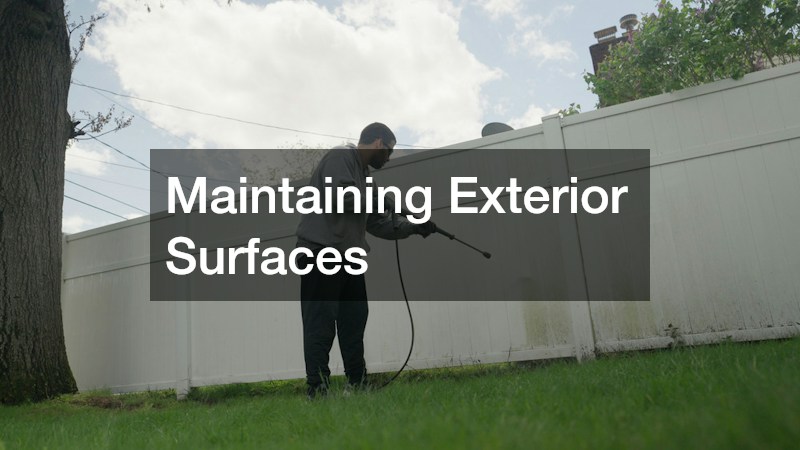
Exterior surfaces are continuously exposed to dirt, pollen, moisture, organic growth, vehicle exhaust, and other environmental contaminants. Over time, these materials can accumulate on siding, driveways, walkways, patios, fences, and other surfaces. Routine cleaning can improve appearance while helping property owners identify areas that may require repair or additional maintenance.
Professional pressure washing services can be useful for cleaning suitable exterior surfaces with equipment designed to deliver controlled water pressure. However, pressure levels and cleaning methods should be selected according to the material being treated. Excessive pressure or an inappropriate technique can damage certain surfaces rather than improving them.
Cleaning should generally be viewed as part of broader property maintenance rather than a substitute for repairs. For example, removing dirt from a driveway can make cracks easier to see, while cleaning a wall or walkway may reveal deteriorated areas that were previously obscured.
Before scheduling exterior cleaning, homeowners can identify the areas that need attention and determine whether any surfaces have special requirements. Materials such as painted surfaces, masonry, concrete, wood, and composite products may each require different approaches.
Regular exterior cleaning can help:
- Refresh the property’s overall appearance
- Remove accumulated dirt and organic debris
- Make surface defects easier to identify
- Improve the appearance of driveways and walkways
- Prepare certain surfaces for appropriate maintenance
- Keep outdoor entertaining areas looking presentable
Designing Elevated Outdoor Spaces
Properties with changes in elevation can present both opportunities and challenges for outdoor construction. An elevated deck can provide additional usable space while taking advantage of a slope, raised foundation, or elevated portion of the property. The structural design needs to account for load requirements, access, drainage, railing systems, and the relationship between the deck and the ground.
Raised deck builders can help homeowners develop designs that accommodate these considerations while creating an outdoor area that fits the property’s layout. The finished structure should be planned with both appearance and functionality in mind. Stair placement, entry points, railings, lighting, and seating areas can significantly influence how comfortable the space is to use.
Elevation also creates opportunities for views and improved separation between different outdoor areas. A raised platform might overlook a garden, pool, wooded area, or other landscape feature. At the same time, the space underneath may require consideration for drainage, storage, landscaping, or future maintenance.
A raised outdoor structure should be evaluated carefully for:
- Structural support and load requirements
- Safe access and stair placement
- Proper railing installation
- Water drainage around the structure
- Long-term material maintenance
- Integration with existing landscaping
Good planning can help ensure that an elevated outdoor area feels like an intentional part of the property rather than an isolated addition.
Improving the Area Around the Pool
A swimming pool can become a central feature of an outdoor property, but the surrounding surface plays an important role in safety, usability, and appearance. The area around the pool needs to accommodate wet feet, furniture, foot traffic, drainage, and regular exposure to sunlight and moisture. Choosing an appropriate surface can therefore influence how the entire pool area functions.
A paver pool deck offers design flexibility because individual pavers can be arranged in different patterns, colors, and configurations. Pavers can also be incorporated into broader landscape designs to create visual connections between the pool, patio, walkways, and other outdoor features.
Planning should extend beyond the surface material itself. Drainage is especially important around swimming pools because standing water can create maintenance and safety concerns. The layout should also provide enough room for movement, seating, equipment access, and other activities that take place around the pool.
Homeowners can evaluate pool-deck options based on:
- Slip resistance and surface texture
- Drainage requirements
- Heat exposure and comfort
- Maintenance expectations
- Visual compatibility with the home
- Available space around the pool
A carefully planned pool area can make the space more functional while supporting the property’s broader outdoor design.
Coordinating Major Outdoor Projects
Large outdoor improvements often involve multiple components that need to work together. Pool areas, patios, landscaping, walkways, drainage systems, and other features can overlap in terms of construction and design. Coordinating these elements from the beginning can help prevent one project from interfering with another.
Pool contractors may help homeowners address the practical aspects of creating or renovating a pool environment. Depending on the project, considerations can include excavation, equipment placement, circulation systems, surrounding surfaces, access, drainage, and integration with existing landscape features.
A pool project can also affect how the rest of the backyard is used. Before construction begins, homeowners should consider where outdoor furniture will go, how people will enter the pool area, whether additional shade is desirable, and how maintenance equipment will be accessed.
A broader project plan may include:
- Pool placement and dimensions
- Surrounding deck or patio areas
- Drainage and grading
- Equipment locations
- Outdoor lighting
- Landscaping
- Access pathways
- Seating and entertainment areas
Considering these components together can help homeowners avoid creating an attractive feature that does not function well with the rest of the property.
Expanding Usable Space Outdoors
A patio can provide a versatile foundation for outdoor activities without requiring the elevation associated with a traditional deck. Depending on the property and chosen materials, a patio can accommodate dining furniture, grills, seating, fire features, planters, or entertainment areas. Its design can also be adapted to fit different architectural styles and landscape layouts.
Patio construction should begin with an assessment of the intended use and the available space. A homeowner who primarily wants an outdoor dining area may have different requirements than someone who wants a larger entertainment space. The location of doors, windows, landscaping, utilities, and existing structures should also be considered before determining the layout.
The finished patio should have appropriate drainage and a properly prepared foundation. Poor preparation can contribute to shifting, settling, cracking, or drainage problems over time. Professional planning can help address these underlying considerations rather than focusing only on the visible surface.
When planning a patio, homeowners may want to determine:
- The primary purpose of the space
- The amount of seating required
- Whether cooking or grilling areas are needed
- How the patio will connect to the house
- Where water will drain
- What materials complement the existing property
- Whether lighting or electrical access is desirable
A well-designed patio can make an underused portion of a yard considerably more functional.
Managing Changes in Landscape Elevation
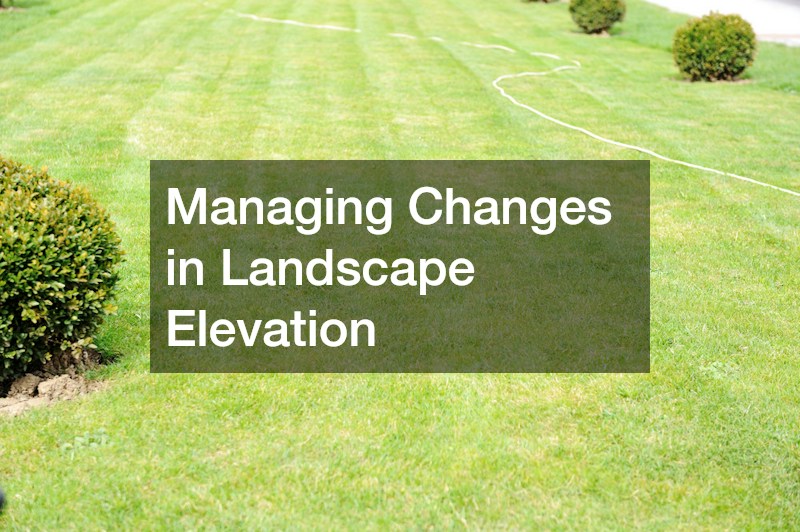
Sloped properties can create drainage concerns, erosion issues, and limitations on how outdoor spaces are arranged. Retaining structures can help manage changes in elevation while creating more defined areas within a landscape. They may also provide opportunities to establish planting beds, level sections, pathways, or other features.
Retaining walls should be designed around the conditions of the property rather than treated as purely decorative structures. Soil pressure, drainage, wall height, foundation conditions, material selection, and nearby structures can all affect performance. Proper drainage is particularly important because water buildup behind a wall can place additional pressure on the structure.
The appearance of the finished wall can also be incorporated into the property’s overall design. Materials can be selected to complement the house, patio, walkways, or other hardscape features. Curved or segmented layouts may create a more natural transition between different elevations.
Before beginning a project involving significant grade changes, homeowners should consider:
- Where water currently flows
- Whether erosion is occurring
- How the wall will interact with nearby structures
- What type of drainage will be necessary
- How the finished wall will affect landscaping
- Whether additional grading is required
Addressing elevation and drainage together can produce a more functional landscape and help prevent one improvement from creating problems elsewhere.
Addressing Damaged or Aging Glass
Windows, doors, and other glass features contribute to natural lighting, visibility, ventilation, energy performance, and the overall appearance of a property. When glass becomes cracked, chipped, fogged, or otherwise damaged, replacing the affected component may improve both functionality and appearance.
Glass replacement can involve more than simply removing a damaged pane and installing a new one. The appropriate replacement depends on the window or door system, dimensions, frame condition, glass characteristics, and intended performance. In some situations, the surrounding frame may also need inspection to determine whether additional work is appropriate.
Homeowners should address damaged glass promptly when it creates a safety concern or allows moisture and outside air to enter. Even relatively small damage can become more noticeable or problematic over time, particularly when the affected glass is exposed to repeated temperature changes or physical stress.
Signs that a glass feature may require attention include:
- Visible cracks or chips
- Persistent condensation between panes
- Drafts around windows or doors
- Difficulty opening or closing the unit
- Damaged seals
- Noticeable deterioration around the frame
Replacing only the affected component when practical can sometimes address a specific problem without requiring a larger renovation. However, the condition of the surrounding system should always be considered before determining the appropriate solution.
Maintaining Vehicles and Supporting Property Upkeep
Property maintenance does not necessarily stop at the house and yard. Vehicles are often an important part of daily household operations, and keeping them maintained can help support transportation needs associated with work, errands, home projects, and recreation.
When a vehicle requires maintenance or repair, sourcing appropriate auto parts is one component of the process. The correct part should correspond with the vehicle’s specifications and the particular repair being performed. Compatibility matters because similar-looking components can have different dimensions, designs, or performance characteristics.
Homeowners who perform basic vehicle maintenance themselves should consult the appropriate vehicle documentation and verify part information before beginning a repair. More complex repairs may require professional diagnosis or installation.
A practical vehicle maintenance routine can include:
- Checking fluid levels according to manufacturer recommendations
- Monitoring tire condition and pressure
- Replacing worn components when appropriate
- Addressing warning lights promptly
- Keeping maintenance records
- Following recommended service intervals
Maintaining vehicles alongside the property itself creates a broader approach to household upkeep. Both require attention to small problems, appropriate materials, and timely professional assistance when a project exceeds a homeowner’s experience or equipment.
Improving and maintaining a property is an ongoing process rather than a single project. Roofing, outdoor living spaces, surface maintenance, landscaping, pool areas, patios, glass features, and vehicle upkeep can all contribute to the way a property functions and performs over time. The most effective approach is to consider each improvement within the context of the entire property.
Planning projects around actual needs can also help homeowners prioritize spending. Safety-related concerns, water management, structural problems, and deteriorating materials may deserve attention before purely cosmetic changes. Once those fundamentals are addressed, improvements can be selected to enhance comfort, appearance, usability, and enjoyment.
Whether a project involves refreshing an existing feature or creating an entirely new outdoor space, careful preparation can make a substantial difference. Evaluating the property’s current condition, understanding maintenance requirements, choosing suitable materials, and coordinating related improvements can help create a property that remains functional, attractive, and adaptable for years to come.