Key Takeaways
- Inspect the roof’s age, condition, and structural strength before installing solar panels to avoid costly repairs later.
- Evaluate sunlight, shading, roof direction, slope, and usable space to determine the best location for solar panels.
- Review household electricity use and consider future energy needs before deciding how large the solar system should be.
- Have the electrical system checked to identify possible panel, wiring, or capacity upgrades before installation.
- Research permits, utility requirements, equipment warranties, and available incentives before signing a solar contract.
- Compare detailed estimates from qualified installers rather than choosing a company based only on the lowest price.
- Plan for future roof maintenance, solar monitoring, and possible battery storage when considering long-term ownership.
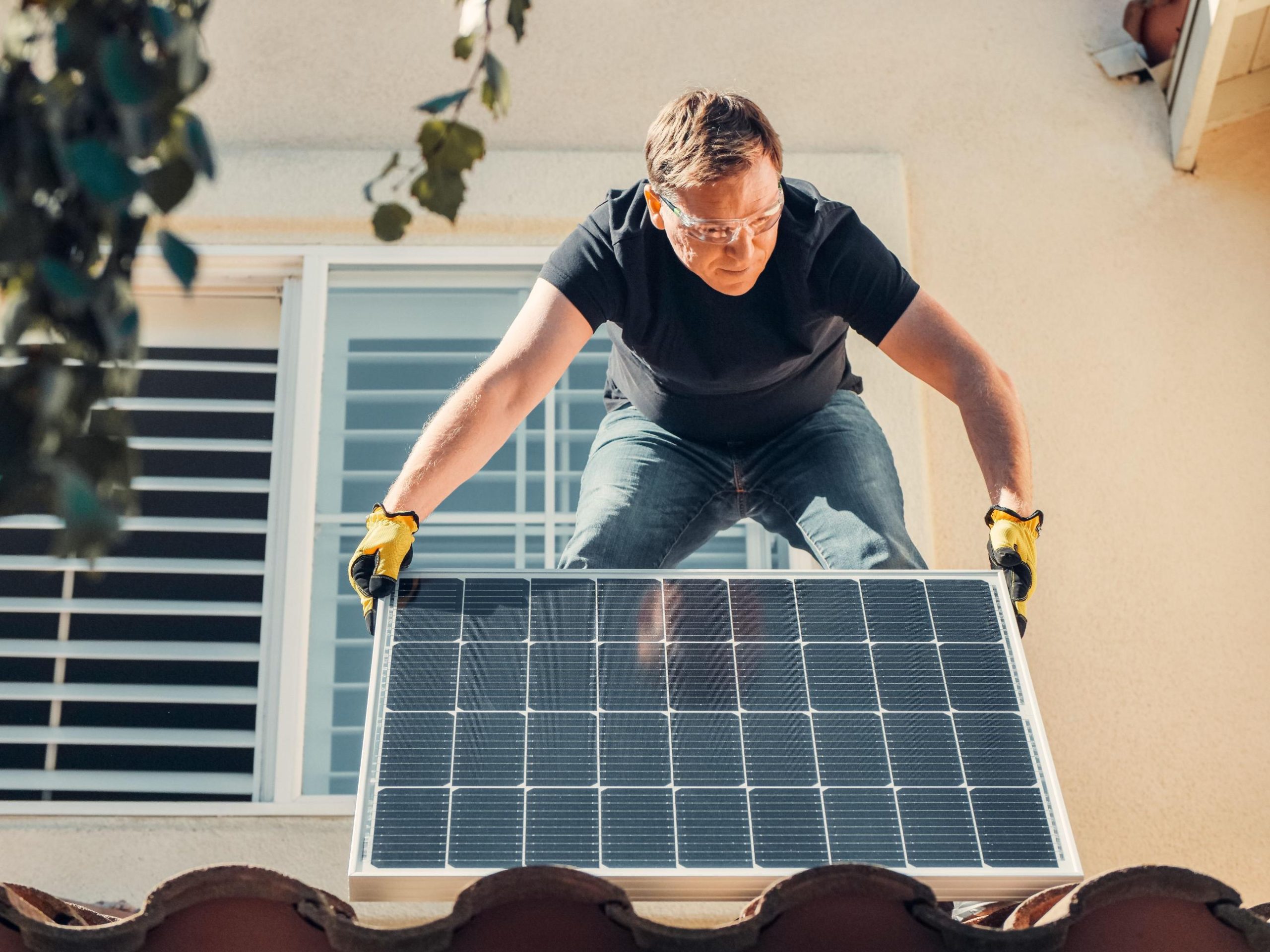
Solar panels can help homeowners generate electricity from sunlight and reduce the amount of power they need to purchase from the grid. For some households, a solar system can also provide long-term savings while supporting a more energy-efficient home.
However, installing solar panels involves more than choosing equipment and attaching it to the roof. Your roof needs to be in suitable condition, the property needs enough sunlight, and the electrical system must be able to support the installation. Local permits, utility requirements, warranties, and project costs also need careful review.
Solar panels may remain on a roof for decades, so planning ahead can prevent expensive problems later. Repairing an aging roof after panels have been installed, for example, can require removing and reinstalling part or all of the solar system.
Before signing an installation contract, check these 10 important areas to determine whether your roof and home are ready for solar panels.
1. Check the Age and Condition of Your Roof
Start by determining how old your roof is and whether it is likely to need replacement soon. Solar panels can have a long service life, so installing them on roofing that is already near the end of its expected life may create additional expenses later.
Inspect the roof for obvious damage, but remember that not every problem is visible from the ground. Missing or damaged shingles, active leaks, sagging areas, deteriorated flashing, and damaged roof decking should be addressed before solar installation.
Important conditions to check include:
- Roof age
- Missing or damaged materials
- Signs of leaks
- Damaged flashing
- Sagging or uneven areas
- Previous repairs
A professional roof inspection may be worthwhile before a major solar investment. If replacement will likely be needed soon, completing the roofing project first may prevent the cost and inconvenience of removing solar panels later.
2. Make Sure the Roof Can Support the System
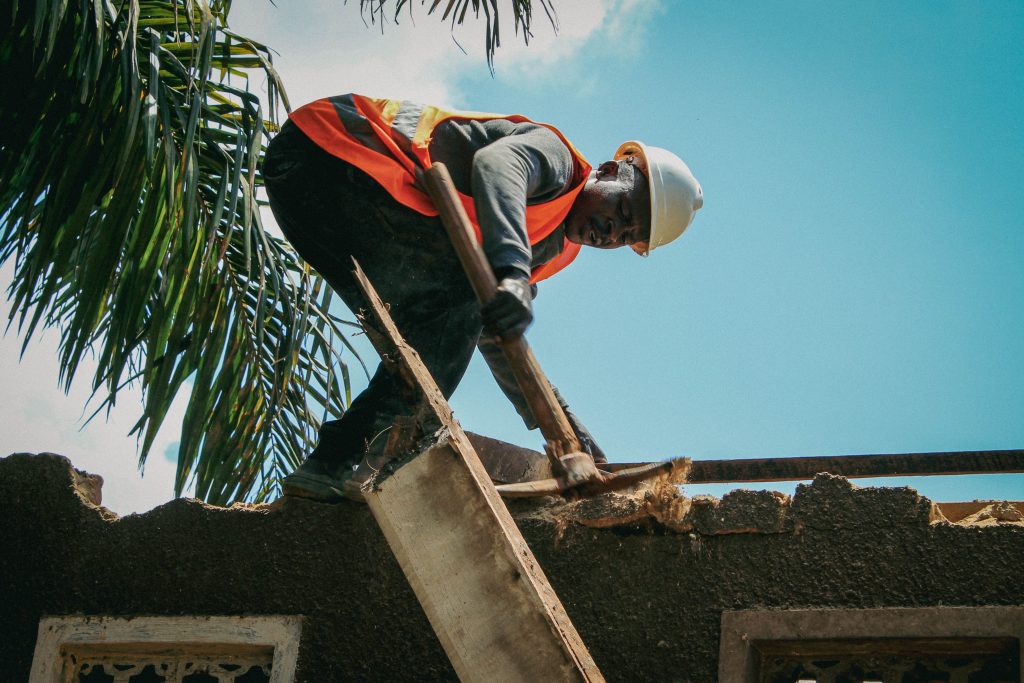
Solar panels, mounting equipment, and related components add weight to a roof. Although many homes can support properly designed solar systems, structural conditions vary.
Older homes, previously damaged roofs, and buildings with unusual framing may require additional evaluation. Existing problems should not be ignored simply because the roof surface appears acceptable.
A structural review may consider:
- Roof framing
- Existing damage
- Roof design
- Solar equipment weight
- Local wind or snow loads
Understanding the roof structure is part of basic home repair fundamentals, especially when adding permanent equipment that will remain attached to the building for many years.
Your solar installer should follow applicable structural and building requirements. If there are concerns about the roof’s strength, a qualified structural professional may need to evaluate it before installation begins.
3. Evaluate How Much Sunlight the Roof Receives
Solar panels need adequate sunlight to produce useful amounts of electricity. A roof that remains heavily shaded for much of the day may produce less energy than expected.
Observe how sunlight moves across your roof. Trees, nearby buildings, chimneys, dormers, and other structures can cast shadows at different times.
Potential sources of shade include:
- Large trees
- Neighboring homes
- Chimneys
- Roof features
- Nearby buildings
Shade can also change throughout the year as the sun’s position changes and trees grow or lose their leaves.
Professional solar installers commonly use site evaluation tools and modeling to estimate how much sunlight reaches different parts of the roof. These estimates can help determine where panels should be installed and how much electricity the system may produce.
4. Consider Roof Direction, Angle, and Available Space
The shape and orientation of your roof can influence solar system design. Some roof sections may receive more sunlight or provide more usable installation space than others.
A large, simple roof surface can make panel placement easier. Roofs with several valleys, dormers, skylights, vents, and other obstacles may require a more complicated layout.
When evaluating the roof, consider:
- Roof direction
- Roof slope
- Usable surface area
- Skylights and vents
- Required clearances
- Areas affected by shade
The ideal orientation and angle depend partly on location and system design. Do not assume that a roof must face one specific direction to make solar worthwhile.
A professional solar assessment can estimate production for different roof sections and determine which layout provides the best practical balance between available space and sunlight.
5. Review Your Household Electricity Use
Before deciding how large your solar system should be, understand how much electricity your household normally uses.
Review recent utility bills and look at total electricity consumption rather than focusing only on the amount you pay. Rates can change, so energy use provides useful information when estimating system size.
Look for patterns such as:
- Average monthly consumption
- Seasonal increases
- Summer cooling use
- Winter heating use
- Recent household changes
Think about future electricity needs as well. You may plan to purchase an electric vehicle, install a heat pump, add rooms, or replace gas appliances with electric models.
On the other hand, planned energy-efficiency improvements may lower future consumption. Better insulation, efficient HVAC equipment, or new appliances could affect how much solar capacity makes sense.
6. Inspect Your Electrical System
Solar panels connect to your home’s electrical system, so the electrical equipment must be able to support the installation safely.
An older electrical panel may require upgrades before solar equipment can be connected. The exact requirements depend on the home’s electrical system, solar design, local codes, and utility rules.
An evaluation may include:
- Main electrical panel
- Available electrical capacity
- Existing wiring conditions
- Breaker space
- Grounding and related equipment
Do not attempt to determine electrical compatibility by opening or modifying equipment unless you are qualified to do so.
A licensed electrician or qualified solar professional can identify required upgrades. Include these potential costs when comparing solar estimates so you are not surprised by additional electrical work later.
7. Research Permits and Local Requirements
Solar installations usually need to meet local building and electrical requirements. Depending on where you live, permits, inspections, utility approvals, or other documents may be required.
Rules can affect equipment placement, roof access, setbacks, electrical connections, and other parts of the project.
Before installation, determine who handles:
- Building permits
- Electrical permits
- Required inspections
- Utility applications
- Interconnection approval
Many solar installers manage much of this paperwork for homeowners, but you should confirm exactly what is included in the contract.
Homeowners associations may also have applicable rules, although their authority over solar installations varies by location. Check relevant requirements early rather than discovering a problem after equipment has already been ordered.
8. Compare Solar Equipment and Warranties
Not all solar systems use the same equipment. Panels, inverters, mounting hardware, monitoring systems, and batteries can differ in efficiency, features, warranties, and price.
Ask installers to clearly identify the equipment included in each proposal. This makes estimates easier to compare.
Review details such as:
- Panel specifications
- Inverter type
- Mounting equipment
- Product warranties
- Performance warranties
- Installer workmanship coverage
Pay attention to who provides each warranty and what happens if a component fails. A long warranty has limited value if you do not understand the claim process.
Also ask whether the roof penetrations and installation work are covered by workmanship guarantees. Keep copies of contracts, equipment information, permits, and warranty documents after the project is completed.
9. Understand the Full Project Cost
The advertised price of solar panels may not represent the entire project cost. Your home may need roof repairs, electrical upgrades, tree trimming, permit work, or other preparation.
Request detailed written estimates from multiple qualified installers whenever possible.
A complete estimate may include:
- Solar panels and inverters
- Mounting equipment
- Labor
- Permit costs
- Electrical upgrades
- Optional battery storage
Be cautious when comparing estimates based only on the lowest total price. Equipment quality, system size, warranty coverage, projected production, and installer experience can all affect long-term value.
Also research current tax credits, rebates, financing programs, and utility incentives available in your area. Programs and eligibility requirements can change, so verify current information rather than relying on old advertisements or estimates.
10. Research the Installer Before Signing
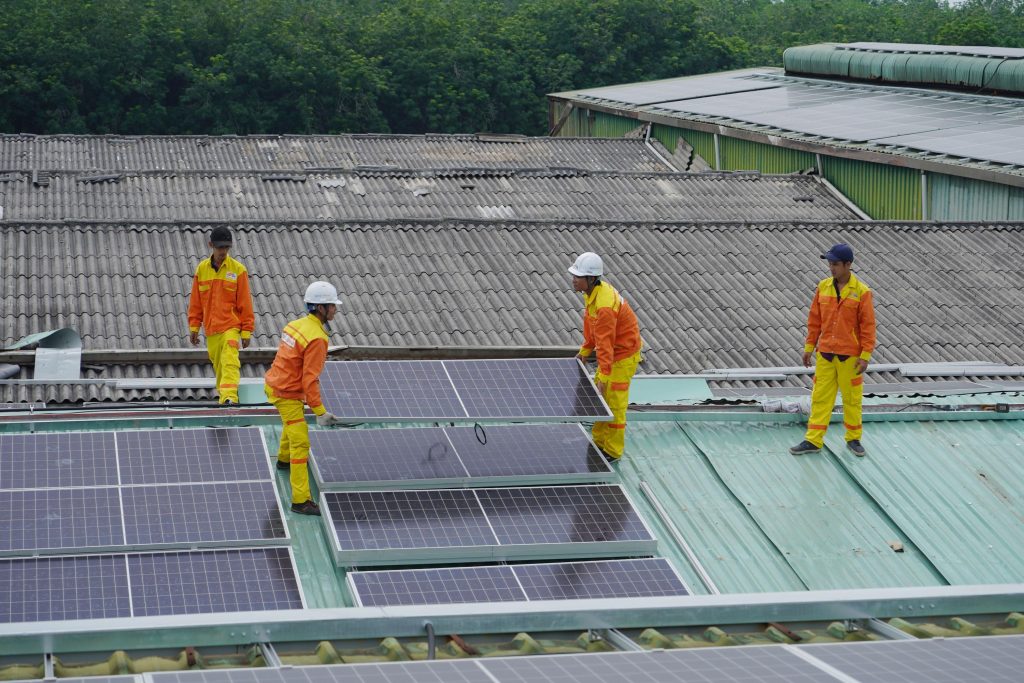
Even high-quality solar equipment can perform poorly if it is incorrectly designed or installed. Choosing a qualified installer is one of the most important parts of the project.
Research several companies rather than immediately accepting the first offer. Confirm appropriate licenses, insurance, experience, and other qualifications required in your location.
Before signing a contract, ask about:
- Years of installation experience
- Licensing and insurance
- References or customer reviews
- Workmanship warranties
- Project timeline
- Service after installation
Read the entire contract carefully. Make sure you understand the equipment, total cost, payment schedule, expected completion process, warranties, and responsibility for permits or utility approvals.
Be cautious of high-pressure sales tactics or promises of guaranteed savings without a clear explanation of the assumptions behind those estimates.
Think About Roof Repairs Before Installation
Roof maintenance can become more complicated after solar panels are installed. Although panels can often be removed temporarily, doing so may add labor and cost to future roofing projects.
Complete necessary roof work before installation whenever practical. This may include repairing leaks, replacing damaged materials, fixing flashing, or replacing a roof that is already near the end of its useful life.
Before installation, consider:
- Expected roof lifespan
- Existing leaks
- Previous roof damage
- Planned renovations
- Future maintenance access
Ask both the roofer and solar installer how their warranties interact. You should understand whether installing solar affects existing roof coverage and who is responsible if a leak develops near mounting points.
Planning for future maintenance can help protect both investments.
Consider Whether Battery Storage Makes Sense
A home battery can store electricity produced by solar panels for later use. However, batteries add significant cost and are not necessary for every solar installation.
The value of battery storage depends on your goals, utility rates, outage concerns, solar system design, and local programs.
Homeowners may consider batteries for:
- Backup power
- Using stored solar energy later
- Managing time-based electricity rates
- Reducing grid use during certain periods
Remember that a standard grid-connected solar system may shut down during a power outage unless it has equipment designed to safely provide backup power.
Ask installers to explain exactly which circuits or appliances a proposed battery system can support and for approximately how long under expected conditions.
Plan for Long-Term Maintenance
Solar panels generally require limited routine maintenance, but homeowners should still plan for long-term care.
Monitoring software can help identify unexpected drops in energy production. Panels may also need inspection if they are damaged by severe weather, falling branches, or other events.
Long-term considerations include:
- Monitoring energy production
- Watching for physical damage
- Managing nearby tree growth
- Keeping warranty records
- Scheduling professional inspections when needed
Avoid walking on solar panels or climbing onto a roof without proper training and safety equipment.
If panels need cleaning, follow manufacturer and installer recommendations. In many locations, normal rainfall may handle much of the cleaning, while other environments may require additional maintenance.
Make an Informed Solar Investment
Solar panels can be a useful energy-saving upgrade, but the project should begin with careful planning. The condition of your roof, available sunlight, electrical system, energy consumption, and local requirements all affect whether an installation will perform as expected.
Start by making sure your roof is structurally sound and unlikely to need major repairs soon. Then evaluate shade, roof layout, household electricity use, and any electrical upgrades that may be required.
Keep these priorities in mind:
- Inspect the roof before installation
- Evaluate sunlight and shading
- Review electricity consumption
- Check electrical compatibility
- Compare equipment and installers
- Understand all project costs
Do not rush into a solar contract based only on promised savings. Request detailed estimates, review warranties, verify current incentives, and understand how the system is expected to perform.
With careful preparation, homeowners can reduce the risk of unexpected expenses and choose a solar installation that fits their property, energy needs, and long-term home improvement plans.