Many homeowners put off landscaping upgrades because they assume they are purely cosmetic or can be handled later. Over time, however, outdoor spaces often become one of the most underused and underplanned parts of a property. What starts as “we’ll get to it eventually” can turn into years of missed opportunities for comfort, function, and curb appeal. The regret usually comes not from doing too little, but from not planning early enough.
Well-designed outdoor spaces influence how a home is experienced every day, not just when guests arrive. They affect how people relax, entertain, and move around the property. When improvements are thoughtfully planned, even modest yards can feel like intentional extensions of the home. The following sections break down the most impactful landscaping upgrades homeowners often wish they had prioritized sooner.
Start With a Clear Outdoor Vision Before Spending Money
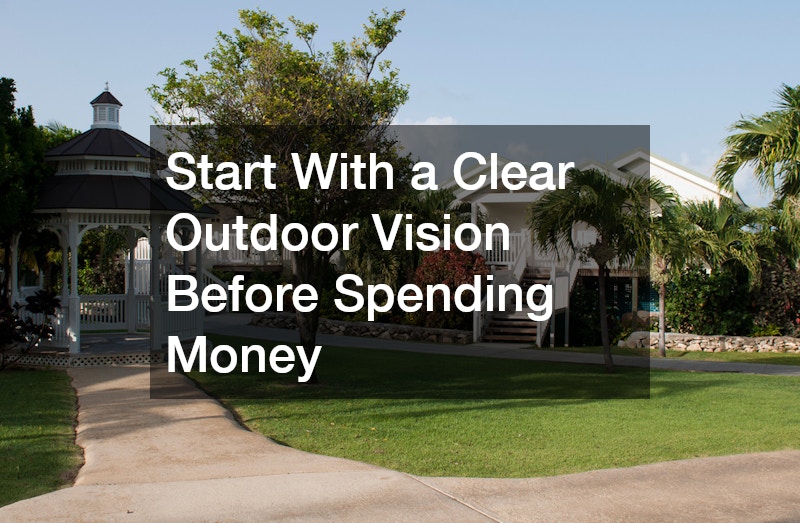
One of the most common mistakes in landscaping projects is starting with purchases or installations before having a clear plan. Without a unified direction, outdoor spaces often end up feeling disjointed or incomplete. A strong vision helps guide every decision, from plant selection to structural additions, ensuring everything works together instead of competing for attention.
Early planning is where both landscaping architecture and landscape design become especially valuable. Thinking in terms of structure rather than decoration helps homeowners understand how space will actually be used. Landscape design focuses on how plants, hardscapes, and open areas interact visually and functionally, while architecture defines the spatial framework. When both are considered together, the yard becomes more intentional and easier to navigate, instead of feeling like a collection of separate ideas.
A helpful starting point is creating a simple outdoor use map. This does not need to be complex or technical. It simply needs to identify zones and purposes.
Before making purchases or hiring help, homeowners should outline:
- Primary relaxation or seating areas
- Entertainment and gathering spaces
- Functional zones such as storage or garden beds
- Movement paths between key areas
After defining these zones, it becomes much easier to decide what to build, plant, or remove. A clear vision prevents unnecessary spending and ensures each improvement contributes to a cohesive outdoor experience.
Upgrade Lighting Early to Transform Nighttime Usability
Lighting is one of the most overlooked elements in outdoor design, yet it has one of the biggest impacts on how a space feels and functions. Many homeowners invest heavily in plants and structures but neglect how the space will be used after sunset. Without proper lighting, even beautifully designed yards can become unusable or uninviting at night.
One of the simplest ways to enhance atmosphere is through bistro lighting. These soft, string-style lights instantly create warmth and visual appeal, making outdoor areas feel more welcoming. They are especially effective in dining or seating areas where ambiance matters as much as visibility.
However, lighting should not be treated as decoration alone. It should support safety, navigation, and usability. A layered approach works best because it combines multiple lighting types for different needs.
A well-rounded lighting plan often includes:
- Ambient lighting for general glow
- Task lighting for cooking or activity zones
- Accent lighting to highlight trees or features
- Path lighting for safe movement
After installing these layers, the outdoor space becomes functional at all hours. Instead of being limited to daytime use, the yard becomes an extension of the home’s living space throughout the evening.
Invest in Structural Outdoor Features That Add Long-Term Value
Before focusing on plants and decorative elements, it is important to establish structural features that define how the space will function long-term. Hard surfaces and built-in elements often form the foundation of a usable outdoor environment. Without them, even well-maintained yards can feel incomplete or impractical.
This is where hardscaping services play a key role. Patios, retaining walls, walkways, and other structural elements provide stability and organization to outdoor layouts. They create defined zones and make the space easier to navigate and maintain over time.
Hardscaping also reduces ongoing maintenance needs by replacing high-maintenance lawn areas with durable materials. This allows homeowners to spend more time enjoying their yard rather than constantly maintaining it.
Before adding decorative elements, it is helpful to prioritize high-traffic areas first. These are the parts of the yard that receive the most use and therefore need the most durability.
Common priority areas include:
- Entry paths and walkways
- Seating or dining patios
- Transition zones between the house and the yard
After establishing these core structures, the rest of the landscape becomes much easier to design around them. The result is a more organized and functional outdoor space that holds up over time.
Remove Problem Trees Before They Become Expensive Issues
Trees are valuable features in any landscape, but they can also become liabilities if not properly maintained. Many homeowners delay addressing tree issues until visible damage occurs, but by that point, risks are often already present. Overgrown or unstable trees can affect foundations, roofs, and surrounding plant health.
In many cases, tree removal becomes necessary to protect both safety and property structure. Dead or leaning trees, in particular, can pose serious risks during storms or high winds. Even trees that appear healthy can have internal decay that is not immediately visible.
Regular inspection is key to identifying problems early. Signs such as large dead branches, root lifting, or excessive leaning should not be ignored. Addressing these issues early prevents more expensive damage later.
Before making decisions, homeowners should consider:
- Structural stability of trunk and major branches
- Proximity to home, power lines, or structures
- Signs of disease or internal decay
After removing problematic trees, the remaining landscape often feels more open and balanced. It also allows healthier plants and trees to thrive without competition or obstruction.
Build a Sustainable Long-Term Yard Maintenance System
A beautiful landscape is only sustainable if it is maintained consistently over time. Many homeowners underestimate how quickly outdoor spaces can become overgrown or uneven without regular care. Instead of reacting to problems, a structured maintenance system helps prevent them.
Professional lawn care services can help maintain consistency in mowing, fertilization, and seasonal treatments. This ensures that the lawn remains healthy and visually appealing throughout the year. It also reduces the burden on homeowners who may not have time to manage everything themselves.
Consistency is more important than intensity when it comes to yard care. Small, regular actions prevent larger problems from developing. This approach also makes maintenance more predictable and easier to budget.
A simple maintenance plan often includes:
- Weekly or biweekly mowing schedules
- Seasonal fertilization and soil treatment
- Regular edging and weed control
- Irrigation system checks
After implementing a system like this, outdoor spaces remain stable and visually consistent. This makes long-term enjoyment much easier and reduces the need for major corrective work later.
Redesign Outdoor Layouts for Better Flow and Function
Many outdoor spaces feel underutilized not because they lack size, but because they lack structure. Without intentional layout planning, yards can feel disconnected or awkward to navigate. A well-designed layout improves both usability and visual appeal.
Landscape architecture helps shape how people move through and experience outdoor areas. It focuses on spatial relationships between structures, plants, and pathways. When done correctly, it creates natural movement and encourages people to use the entire space.
Instead of placing elements randomly, it is important to think about how each area connects. Smooth transitions between zones make the yard feel larger and more cohesive.
A strong layout strategy includes:
- Clear pathways between major zones
- Defined gathering and seating areas
- Logical placement of functional features
- Balanced open and planted spaces
After applying these principles, outdoor spaces feel more intentional and easier to use. The yard becomes a connected environment rather than a collection of separate features.
Layer Outdoor Lighting for Safety and Atmosphere
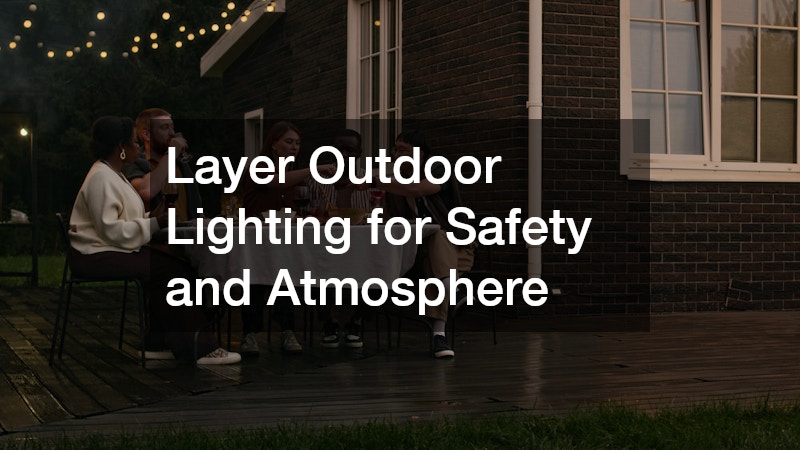
Lighting design becomes even more important when balancing safety and atmosphere. While decorative lighting enhances mood, functional lighting ensures that outdoor areas remain safe and usable at night. A combination of both creates the most effective result.
Outdoor lighting should be planned with purpose, not added randomly. Pathways, steps, and entry points need clear illumination to prevent accidents, while focal points can be highlighted for visual interest. This balance creates both beauty and practicality.
Testing lighting at night before final installation can help avoid over- or under-lighting certain areas. Adjustments at this stage are much easier than after permanent installation.
Key lighting zones often include:
- Walkways and stairs
- Entry doors and patios
- Trees or focal landscaping features
- Outdoor seating areas
After proper layering, the outdoor space feels safer, more inviting, and significantly more usable after dark.
Use Professional Services for Healthier Trees and Plants
Maintaining healthy trees requires more than occasional trimming. Improper pruning or delayed care can lead to long-term damage that affects both appearance and safety. Professional tree services help ensure that trees remain healthy, balanced, and structurally sound.
Experts can identify disease early, manage growth patterns, and remove weak branches before they become hazards. This proactive approach protects both the tree and surrounding landscape features. It also helps preserve valuable mature trees that enhance property value.
Routine professional care also improves plant growth across the entire yard. Trees that are properly maintained provide better shade, airflow, and environmental balance for surrounding plants.
A strong maintenance approach includes:
- Annual inspections for disease and damage
- Seasonal pruning for growth control
- Root and soil health assessments
- Removal of hazardous limbs
After consistent care, landscapes become healthier, more stable, and easier to maintain over time.
Upgrade Driveways and Paths for Instant Curb Appeal
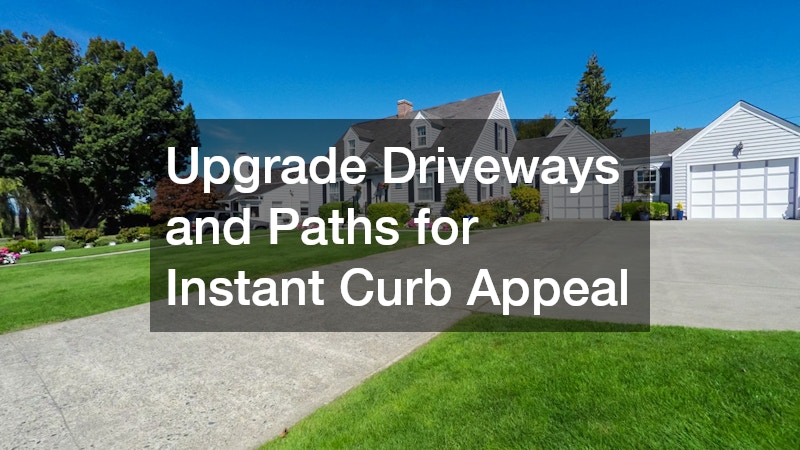
Driveways and pathways are often the first things people notice, yet they are frequently overlooked in landscaping plans. Cracked, uneven, or outdated surfaces can significantly reduce curb appeal even if the rest of the yard is well maintained. Improving these areas creates immediate visual impact.
Asphalt paving is a popular option for improving durability and appearance. It provides a clean, smooth surface that can withstand weather changes and heavy use. It also helps unify the visual flow between driveway and walkways.
Proper drainage planning is essential before any paving work begins. Without it, water pooling can damage new surfaces and reduce their lifespan. This step ensures long-term performance and reduces maintenance needs.
Important considerations include:
- Surface grading and slope
- Water runoff direction
- Connection between driveway and walkways
- Material durability and climate suitability
After upgrading these surfaces, the entire property feels more polished and complete, improving both function and appearance.
Combine Maintenance and Design for a Cohesive Outdoor System
The most successful landscapes are not built in isolation but developed as unified systems. When design and maintenance work together, outdoor spaces remain functional, attractive, and easy to manage over time. Without this integration, even well-designed yards can become inconsistent or difficult to maintain.
Comprehensive landscaping services help ensure that all elements—plants, structures, lighting, and maintenance—work together under one plan. This prevents mismatched upgrades and ensures long-term consistency.
A unified approach also makes future improvements easier. Instead of starting from scratch each time, homeowners can build on an existing framework that already supports growth and change.
A cohesive system typically includes:
- Coordinated planting and layout design
- Scheduled maintenance routines
- Integrated lighting and hardscape planning
- Long-term improvement strategy
After adopting this approach, outdoor spaces feel more intentional and easier to manage. Everything works together rather than competing for attention.
Many landscaping regrets come from delaying decisions or treating outdoor improvements as separate, unrelated projects. In reality, the most effective landscapes are built through planning, structure, and consistency. When homeowners prioritize layout, lighting, structure, and maintenance together, the results are far more cohesive and long-lasting.