Key Takeaways
- Seal air leaks and improve insulation to reduce unnecessary heating and cooling loss throughout the home.
- Consider efficient windows, exterior doors, and window coverings to improve indoor comfort and control heat transfer.
- Upgrade aging HVAC equipment, ductwork, and thermostats to improve heating and cooling efficiency.
- Switch to LED lighting and energy-efficient appliances when older products need replacement.
- Improve water heating efficiency with suitable equipment, insulated pipes, low-flow fixtures, and prompt leak repairs.
- Use exterior shading, ceiling fans, and smart controls to manage indoor comfort while reducing unnecessary energy use.
- Compare project costs, expected savings, climate conditions, and available incentives before making major energy upgrades.
Reducing energy use at home does not always require changing your entire lifestyle. The right home upgrades can help heating, cooling, lighting, and appliances work more efficiently while keeping your living spaces comfortable.
Some energy improvements are inexpensive and easy to complete, while others require a larger investment. The best choices depend on your home’s age, climate, existing systems, and how much energy your household normally uses.
Before starting a major project, look at where your home may be wasting energy. Drafty windows, poor insulation, old appliances, and inefficient heating or cooling equipment can all increase consumption. The following upgrades can help address common sources of energy waste.
1. Seal Air Leaks Around the Home
Small gaps around windows, doors, pipes, vents, and other openings can allow conditioned air to escape. Outdoor air can also enter through these gaps, making heating and cooling systems work harder.
Inspect common problem areas and use suitable weatherstripping, caulk, or other approved sealing materials where appropriate. Larger or hidden leaks may require professional testing and repairs.
Common areas to inspect include:
- Exterior doors
- Window frames
- Utility openings
- Attic access points
- Plumbing penetrations
Air sealing is often one of the simpler energy improvements available. However, homes also need proper ventilation, so extensive sealing projects should account for indoor air quality and combustion safety.
2. Improve Attic Insulation
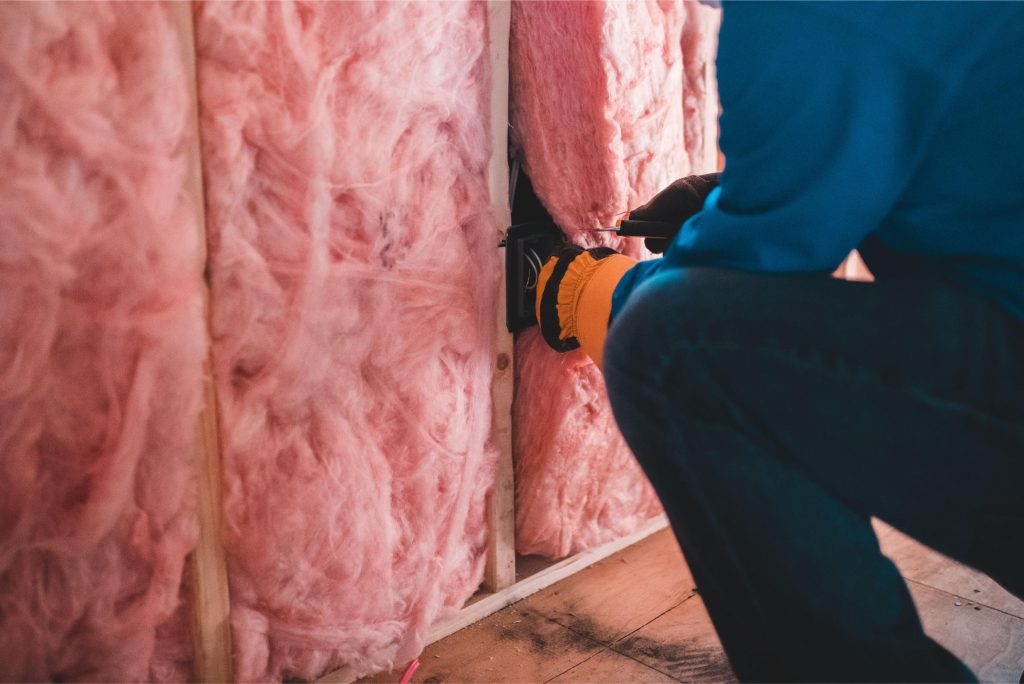
Heat can move between your living areas and attic when insulation is inadequate. This can make rooms harder to keep comfortable during hot summers or cold winters.
Inspect existing attic insulation before adding more. The appropriate insulation level and material depend on the home, local climate, and building design. Air leaks should often be addressed before new insulation is installed.
Before upgrading insulation, check for:
- Moisture problems
- Roof leaks
- Air gaps
- Damaged insulation
- Proper ventilation
Some insulation projects are suitable for experienced DIYers, while others require professional installation. Electrical wiring, recessed fixtures, and ventilation systems can create safety concerns that should be addressed correctly.
3. Upgrade to Energy-Efficient Windows
Windows can affect indoor comfort and energy use, especially when they are old, damaged, or poorly sealed.
Modern energy-efficient windows may include multiple panes, improved frames, insulated spacers, and special coatings that reduce unwanted heat transfer.
When comparing windows, consider:
- Climate suitability
- Glass performance
- Frame material
- Installation quality
- Energy ratings
Replacing every window can be expensive, so determine whether full replacement is necessary. In some homes, repairing damaged seals, adding weatherstripping, or improving window coverings may offer useful benefits at a lower cost.
Good installation is just as important as the window itself. Gaps around a new frame can reduce the expected improvement.
4. Install a Smart or Programmable Thermostat
Heating and cooling can account for a large share of household energy use. A thermostat that automatically adjusts temperatures can help reduce unnecessary operation.
Programmable models allow you to create schedules, while smart thermostats may offer remote controls, usage information, or automated adjustments.
Useful features may include:
- Custom schedules
- Remote temperature control
- Energy-use reports
- Vacation settings
- Maintenance reminders
A thermostat provides the greatest benefit when settings match your household routine. Extreme temperature changes are not always necessary to save energy.
Before purchasing, confirm that the thermostat is compatible with your heating and cooling equipment. Some systems require specific wiring or controls.
5. Replace Outdated Heating and Cooling Equipment
Older HVAC equipment may use more energy than newer high-efficiency systems, especially when it is worn or poorly maintained.
Replacement can be a major investment, so avoid choosing a new system based only on price. Proper sizing matters. Equipment that is too large or too small may operate inefficiently and provide uneven comfort.
When comparing systems, consider:
- Efficiency ratings
- Proper system sizing
- Climate conditions
- Installation quality
- Maintenance requirements
HVAC replacement can be part of broader lifestyle-enhancing home projects because better temperature control may improve comfort while also reducing unnecessary energy use.
Have qualified professionals evaluate existing equipment before deciding whether repair or replacement makes more sense.
6. Seal and Insulate Ductwork
Homes with central heating and cooling often rely on ducts to move conditioned air between rooms. Leaky or poorly insulated ducts can waste energy before that air reaches its destination.
Accessible ducts may show loose connections, damaged sections, or deteriorated sealing materials. Professional duct testing can reveal leaks that are difficult to see.
Potential warning signs include:
- Uneven room temperatures
- Weak airflow
- Visible duct damage
- Loose connections
- Unusually high energy use
Use materials designed specifically for duct sealing rather than ordinary household tape.
Ducts in attics, crawl spaces, garages, or other unconditioned areas may also benefit from proper insulation when recommended.
7. Switch to LED Lighting
Lighting is one of the easiest areas to upgrade without a major renovation. LED bulbs generally use less electricity and last longer than older incandescent bulbs.
Start with fixtures that are used most often, such as kitchen, living room, bathroom, and exterior lights. This approach allows you to spread the cost over time.
When buying LED bulbs, check:
- Brightness
- Color temperature
- Fixture compatibility
- Dimming capability
- Bulb shape and size
Choose brightness based on the room’s purpose rather than simply replacing one wattage with another.
Also turn lights off when rooms are not being used. Efficient bulbs still consume electricity when left on unnecessarily.
8. Upgrade to Efficient Appliances
Refrigerators, dishwashers, washing machines, dryers, and other appliances can contribute significantly to household energy use.
Replacing a working appliance solely for energy savings may not always make financial sense. However, when an older appliance needs replacement, energy efficiency can be an important factor.
Compare:
- Estimated energy consumption
- Appliance capacity
- Water use
- Operating features
- Purchase price
Choose a size that matches your household. An oversized refrigerator or washing machine may use more resources than necessary.
Efficiency labels and recognized certification programs can help you compare models, but also consider how you actually use the appliance.
9. Improve Water Heating Efficiency
Water heating requires energy every day for showers, cleaning, laundry, and dishwashing. Improving the system can help reduce unnecessary consumption.
If your water heater is old or nearing replacement, compare efficient options that suit your household size and available utilities.
Possible improvements include:
- Efficient water heaters
- Insulated hot-water pipes
- Low-flow showerheads
- Faucet aerators
- Fixing hot-water leaks
Some homes may benefit from tankless or heat pump water heaters, but these options are not ideal for every property.
Consider installation requirements and expected operating costs rather than focusing only on the purchase price.
10. Add Exterior or Interior Window Coverings
Window coverings can do more than improve privacy. Certain products can reduce unwanted heat gain or heat loss when used correctly.
Options include cellular shades, insulated curtains, exterior shades, shutters, or other coverings suited to your climate.
When choosing coverings, consider:
- Window orientation
- Seasonal sunlight
- Insulation value
- Ease of use
- Room design
During hot weather, coverings can help block strong sunlight before it heats indoor spaces. During colder periods, certain coverings may help reduce heat loss through windows.
Use them strategically rather than keeping every window covered all day. Natural light can reduce the need for electric lighting when conditions are comfortable.
11. Install Energy-Efficient Exterior Doors
Old exterior doors can allow air leakage, especially when weatherstripping is worn or the door no longer fits properly.
Before replacing the entire door, inspect its condition. New weatherstripping, a door sweep, or adjustments may solve smaller problems.
Check for:
- Visible gaps
- Worn seals
- Damaged frames
- Drafts
- Difficult closing
If replacement is necessary, compare doors based on insulation, durability, climate suitability, and installation requirements.
A well-installed door can improve comfort while reducing air leakage. Poor installation, however, may leave many of the same problems you were trying to fix.
12. Use Ceiling Fans More Effectively
Ceiling fans do not lower room temperature, but moving air can make people feel more comfortable. This may allow some households to rely less heavily on air conditioning under suitable conditions.
Replace old or inefficient fans when necessary and choose a model sized appropriately for the room.
For better performance:
- Choose the correct fan size
- Use appropriate speed settings
- Turn fans off in empty rooms
- Keep blades clean
- Follow seasonal direction guidance
Because fans cool people rather than empty spaces, leaving them running all day in unused rooms wastes electricity.
Use fans as part of a broader comfort strategy rather than as a replacement for proper insulation or efficient cooling equipment.
13. Consider Solar Energy
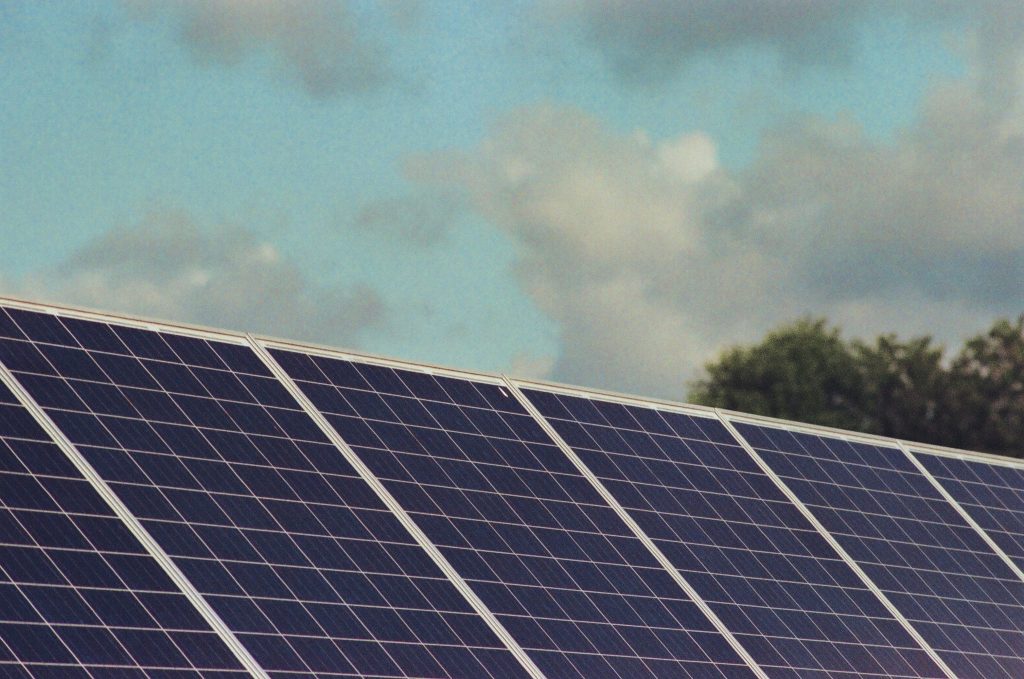
Solar panels can reduce the amount of electricity a home purchases from the grid, depending on sunlight, system size, local rules, and household consumption.
Solar is a major investment, so evaluate the property carefully before committing. Roof condition and orientation can affect whether installation makes sense.
Important considerations include:
- Roof age and condition
- Sun exposure
- Household electricity use
- Installation costs
- Local incentives and rules
Solar can fit into a cost-smart remodeling approach when homeowners compare long-term savings, financing, roof work, and expected ownership plans instead of looking only at the initial price.
Get multiple estimates and review warranties, equipment, and projected production carefully.
14. Upgrade Exterior Shading
Reducing direct sunlight before it enters the home can help control indoor heat during warm weather.
Exterior shading may include awnings, shutters, pergolas, covered patios, or strategically placed landscaping. The best option depends on window direction and climate.
Possible solutions include:
- Window awnings
- Exterior shutters
- Shade structures
- Covered outdoor areas
- Carefully positioned trees
Permanent landscaping requires planning because trees and shrubs grow over time. Keep mature size, roots, utilities, and building clearance in mind.
Exterior shading can also improve outdoor comfort while supporting indoor temperature control.
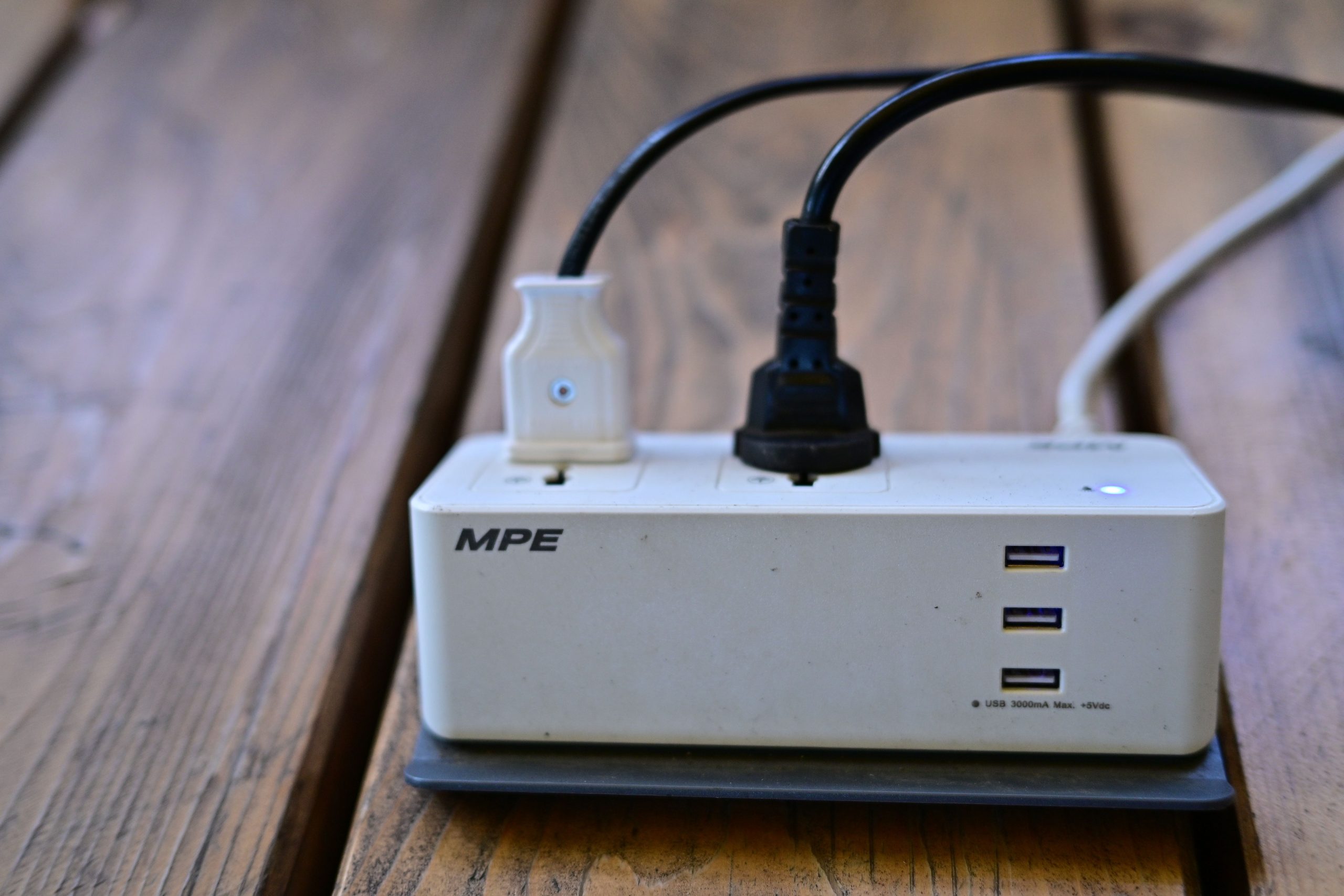
15. Add Energy Monitoring and Smart Controls
It is easier to reduce energy use when you understand where electricity is going. Home energy monitors and smart controls can provide information about household consumption.
Some systems track whole-home electricity use, while smart plugs can monitor individual devices. Automated controls may also help reduce unnecessary operation.
Useful tools can include:
- Smart plugs
- Energy monitors
- Lighting timers
- Motion sensors
- Automated schedules
Technology alone will not lower energy consumption. The information must lead to useful changes.
For example, monitoring may reveal devices that consume more electricity than expected or equipment that runs longer than necessary.
Plan Energy Upgrades Around Your Home
Not every house needs the same improvements. A newer home with good insulation may benefit more from appliance or HVAC upgrades, while an older property may have significant air leaks and outdated windows.
Consider starting with an energy assessment or careful review of utility bills. Look for patterns in heating, cooling, and electricity use before spending money on major projects.
Prioritize improvements based on:
- Current energy use
- Home condition
- Climate
- Project cost
- Expected benefits
Some upgrades may also qualify for local rebates, tax incentives, or utility programs. Requirements can change, so check current programs before making purchasing decisions.
Combining several smaller improvements may sometimes provide better value than completing one expensive project without addressing other sources of energy waste.
Make Energy Savings a Long-Term Goal
Lowering household energy consumption usually involves a combination of efficient equipment, better building materials, and smarter daily habits.
Start by addressing obvious problems such as air leaks, poor insulation, inefficient lighting, and outdated equipment. Then consider larger projects such as windows, HVAC replacement, water heating improvements, or solar energy when they fit your budget and property.
Keep these priorities in mind:
- Fix energy waste before adding new technology
- Choose upgrades suited to your climate
- Compare long-term operating costs
- Maintain equipment regularly
- Monitor energy use after improvements
Energy efficiency is not about completing every upgrade at once. Improvements can be made gradually as appliances wear out, rooms are remodeled, or maintenance becomes necessary.
By choosing projects carefully and tracking the results, homeowners can reduce unnecessary energy use while making their homes more comfortable, efficient, and easier to manage over time.