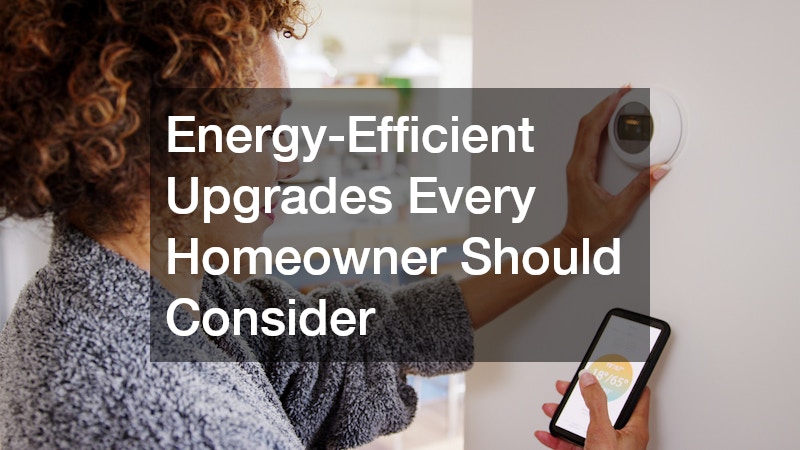
Improving energy efficiency effectively reduces long-term household expenses while increasing comfort and property value. Strategic upgrades can lower utility bills, minimize environmental impact, and create a consistent indoor climate. Whether planning a major renovation or gradual improvements, understanding energy loss and addressing it ensures investments deliver measurable results. Even a few targeted improvements can result in savings and noticeable livability improvements.
Planning Energy-Efficient Upgrades
Before starting an efficiency-focused project, homeowners should identify where energy loss occurs most frequently. Common problem areas include poorly insulated walls, outdated windows, and inefficient layouts that restrict airflow. Conducting a professional energy assessment helps pinpoint these issues. With clear data, homeowners can avoid unnecessary upgrades and focus on changes that will produce significant reductions in heating and cooling demand. This step also helps set realistic expectations for savings, as some improvements offer immediate comfort but financial payback over time.
Not all upgrades offer the same return on investment. Projects like insulation improvements, air sealing, and window replacements often yield faster and more consistent savings than cosmetic updates. Establishing priorities based on energy impact ensures meaningful contributions to overall efficiency. This approach allows homeowners to phase projects, spreading costs while achieving steady improvements. Focus first on the “building envelope,” as sealing leaks and improving insulation can later reduce the size and operating time of mechanical systems.
Efficiency projects often overlap, making coordination essential. Working with a home remodeling service that plans these improvements together minimizes repeated labor, shortens timelines, and reduces disruption. Coordinated scheduling prevents rework, ensuring materials and systems function as intended rather than being retrofitted later at additional expense. Homeowners can benefit from documenting upgrades with photos, invoices, and specifications, making future maintenance easier and improving resale value.
Using Rental Equipment
Many energy upgrades require specialized tools like insulation blowers or thermal imaging devices, which homeowners rarely own. Renting these tools ensures installations meet specifications, reducing errors that compromise efficiency. Accurate installation improves performance and prevents material waste. Access to professional-grade equipment through an equipment rental company speeds up projects and enhances quality. It also reduces the risk of using improper tools that lead to uneven results, especially for tasks like sealing gaps or installing insulation in tight spaces.
Older tools often consume more energy and operate less efficiently. Renting newer equipment helps reduce electricity or fuel use during the project and produces precise results, lowering the chances of mistakes. This efficiency-focused approach supports sustainability while keeping projects on schedule and within budget. Newer tools also offer better safety features and cleaner operation, essential when working indoors or around insulation.
Proper planning is critical with rented tools. Homeowners should align rental periods with project timelines to avoid paying for unused days. Clear scheduling prevents delays that expose unfinished areas to weather or temperature changes. Efficient rental management keeps costs predictable and ensures smooth progress. Before pickup, confirm all materials are on-site, measurements are complete, and the work area is prepared, as lost time increases rental costs.
Improving Insulation and Ventilation
The roof is a major source of heat loss, especially in older homes. Inspections and energy audits from a roofing company can reveal insufficient insulation, air leaks, or ventilation issues affecting temperature regulation. Addressing these problems improves comfort and reduces strain on heating and cooling systems. Early identification allows informed decisions before problems escalate, helping catch warning signs like moisture staining or uneven attic temperatures, which can indicate ventilation problems that reduce energy performance and shorten material lifespan.
Modern insulation materials offer significantly higher performance than older options. Upgrading insulation improves heat retention during colder months and limits heat gain in warmer periods. Choosing materials that meet or exceed efficiency standards ensures long-term savings and compliance with building codes. Proper installation is essential to avoid gaps that undermine effectiveness. Homeowners should confirm insulation upgrades don’t block soffit vents or airflow pathways, as insulation and ventilation must complement each other.
Ventilation works with insulation to regulate temperature and moisture levels. Poor airflow can trap heat and humidity, causing higher energy use and potential structural damage. Balanced intake and exhaust ventilation help maintain stable conditions year-round, extend roofing material life, and support consistent indoor comfort. A well-ventilated attic reduces ice dam chances in winter, prevents overheating in summer, and lowers mold growth likelihood, affecting indoor air quality.
Managing Shade and Airflow
Trees enhance energy efficiency when correctly placed. Shade from mature trees can lower exterior temperatures, reducing air conditioning needs. A local arborist can help with strategically placing trees in sun-facing areas to maximize this effect. Over time, natural shading reduces cooling costs. Landscaping can also create microclimates; for instance, shrubs slow wind near walls, and leafy trees provide summer shade while allowing in winter sun through bare branches.
Too much shade can limit warmth in colder months. Pruning or selective removal lets sunlight reach windows and walls in winter, aiding indoor temperatures without extra energy use. Balanced tree management provides year-round benefits. Consider how shade affects roof drying post-storms, as lingering moisture may lead to wear and algae growth on some roofing materials.
Healthy trees offer consistent shade and airflow benefits. Regular maintenance prevents overgrowth that could harm structures or block ventilation. Well-maintained trees also reduce storm-related damage risks. Routine inspections help identify weak branches, root issues, or leaning trees that pose risks during high winds, heavy snow, or hurricanes.
Selecting Energy-Efficient Flooring
Flooring materials affect heat retention or loss in a home. Options like cork, engineered wood, or insulated underlays enhance thermal performance compared to harder surfaces. Flooring contractors can assist in choosing insulating materials that boost comfort, particularly in lower-level spaces, and contribute to stable indoor temperatures year-round. In colder climates, pairing flooring with radiant heat can provide even warmth, allowing lower thermostat settings without comfort loss.
Air leaks often start beneath flooring, where subfloor gaps let drafts into living spaces. Sealing these gaps during upgrades prevents heat loss and improves efficiency. Addressing this early reduces heating reliance and eliminates cold spots. These subfloor improvements enhance benefits beyond the surface, like reduced dust infiltration and better air quality, especially in older homes with crawlspaces or unfinished basements.
Underlayment is crucial for insulation and sound control. Upgrading underlayment during installation enhances energy performance with minimal extra labor. Quality underlayment improves temperature regulation and flooring lifespan. This approach maximizes efficiency from a single project. Selecting moisture-resistant underlayment protects floors in kitchens, laundry areas, and entryways, reducing the risk of swelling or warping.
Reducing Heat Loss Through the Garage
Garage doors are often overlooked sources of energy loss. Replacing uninsulated garage door models with high R-value doors significantly reduces heat transfer, especially for attached garages where temperature fluctuations affect adjacent living spaces. Improved insulation stabilizes indoor conditions and lowers energy consumption. Homeowners using their garage as a workshop, gym, or storage area will also notice improved comfort during extreme weather.
Insulated doors can underperform if gaps exist around frames and seals. Weatherstripping and proper alignment eliminate drafts that allow air exchange. Sealing gaps improves comfort in nearby rooms and reduces HVAC strain. Small adjustments yield noticeable efficiency improvements. Check the garage-to-house entry door for air leakage, as it is a common heat transfer point without proper sealing or insulation.
Modern garage doors may include smart features like automated sealing or temperature monitoring. These technologies maintain consistent conditions and alert homeowners to issues. Smart controls offer convenience, supporting efficiency goals. Integrated systems keep the garage from being a weak point in the home’s thermal envelope. Scheduling door closure automatically can reduce the risk of leaving the garage open, preventing exposure to outdoor temperature swings.
Enhancing Thermal Performance
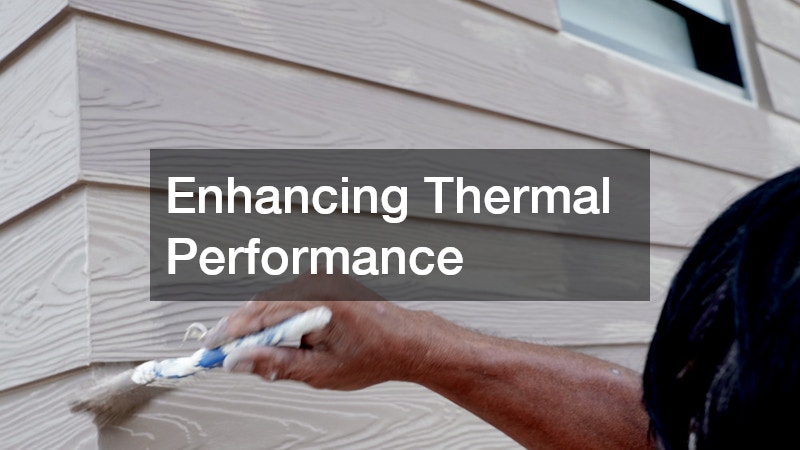
Certain paint coatings are designed to reflect sunlight or add insulating properties to surfaces. Working with a painting contractor to apply these products to exterior walls or roofs can reduce heat absorption during warmer months. Reflective coatings help stabilize indoor temperatures and extend the life of exterior materials. Selecting the right product ensures performance benefits without compromising aesthetics. Homeowners in sunny regions may see especially strong results on south- or west-facing surfaces that experience the most direct afternoon sun.
Painting projects provide an opportunity to address cracks and gaps that allow air leakage. Proper sealing before repainting prevents drafts and moisture intrusion. These small repairs enhance insulation effectiveness and improve overall energy performance. Addressing air infiltration at the surface level supports long-term efficiency gains. It also protects wall assemblies from water damage, since moisture intrusion can degrade insulation and contribute to hidden mold problems that are expensive to remediate later.
Durable finishes resist weathering and maintain protective qualities longer. High-performance paints reduce the frequency of repainting and preserve sealed surfaces. Selecting products engineered for energy performance ensures that exterior coatings continue to support efficiency goals. Longevity and performance together create lasting value. Homeowners should also consider lighter color palettes when appropriate, since lighter finishes can reduce heat absorption and help exterior surfaces remain cooler in high-temperature conditions.
Optimizing HVAC Systems
Oversized or outdated systems waste energy and create uneven temperatures. High-efficiency units sized correctly for the home operate more effectively and consume less energy. Proper sizing improves comfort while reducing wear on components. Modern systems also offer improved controls that enhance overall performance. Homeowners should ask for load calculations rather than relying on rough estimates, since system size should reflect insulation levels, window performance, and local climate conditions.
Leaky or poorly insulated ducts can waste a significant portion of conditioned air. A professional HVAC company can seal and insulate ductwork to ensure that heated or cooled air reaches intended spaces. This improvement increases system efficiency and reduces utility costs. Duct upgrades often provide quick returns with minimal disruption. Homeowners may also see better room-to-room consistency after duct sealing, which helps reduce the common habit of adjusting the thermostat repeatedly to correct for one uncomfortable area.
Smart thermostats allow homeowners to fine-tune temperature settings based on occupancy and schedules. Automated adjustments reduce unnecessary heating or cooling when spaces are unused. These systems provide data insights that help optimize energy use. Precise control leads to consistent comfort and measurable savings. Many smart thermostats also support zoning strategies and remote control, helping homeowners adjust settings during travel, manage peak pricing periods, or respond quickly to sudden weather changes.
Improving Water Efficiency
Modern low-flow fixtures are designed to reduce water use while maintaining pressure and comfort. Installing these fixtures lowers both water and energy consumption associated with heating water. This upgrade provides immediate savings without affecting daily routines. Efficient fixtures are a simple yet effective improvement. Homeowners can also consider upgrading to WaterSense-labeled products, which are designed to meet performance standards while reducing water usage, helping ensure the upgrade feels like an improvement rather than a compromise.
Uninsulated hot water pipes lose heat before water reaches fixtures. Insulating pipes maintains water temperature and reduces the need to run taps longer. This improvement conserves energy and improves convenience. Pipe insulation is a cost-effective upgrade with quick payback. In some homes, additional upgrades like heat trap fittings or hot water recirculation pumps may further reduce waste, particularly in larger layouts where fixtures are far from the water heater.
Even small leaks can waste significant resources over time. Prompt detection and repair prevent unnecessary water loss and reduce strain on heating systems. Addressing leaks early avoids structural damage and higher utility bills. Proactive maintenance supports both efficiency and long-term system reliability. Homeowners should maintain routine plumbing service to check under sinks, around toilets, and near the water heater, since slow leaks can remain unnoticed for months while increasing costs and causing gradual material deterioration.
Integrating Efficiency Upgrades Into New Home Build
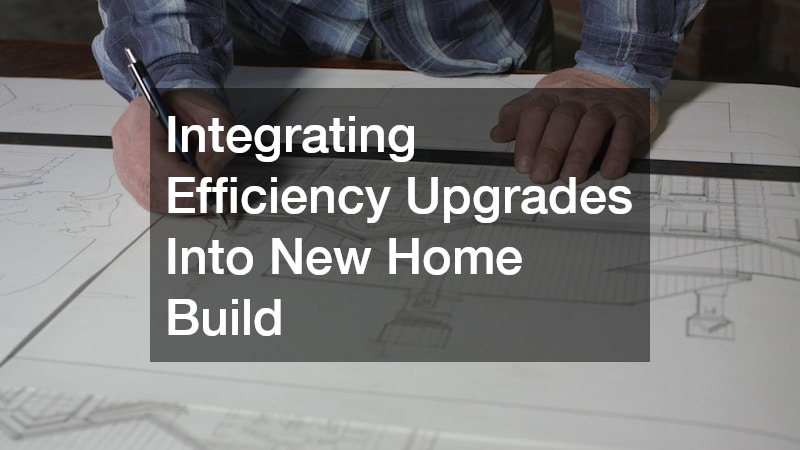
Home builders can assist with thoughtful design to enhance efficiency before systems are installed. Layouts that capture natural light reduce reliance on artificial lighting. Proper airflow improves temperature regulation without mechanical assistance. Design-driven efficiency delivers lasting benefits at minimal operational cost. Homeowners can consider window placement, roof overhangs, and room orientation to naturally manage heat gain, allowing the building to work with the climate.
Choosing efficient materials during construction eliminates the need for later upgrades. High-performance windows, insulation, and building materials create a strong thermal envelope. Early decisions impact long-term comfort and operating costs. Starting with efficient materials sets a solid foundation. Homeowners can incorporate continuous exterior insulation, advanced framing techniques, or airtight construction practices to reduce thermal bridging and improve whole-home performance.
Efficiency is most effective when systems work together. Coordinated planning ensures heating, cooling, insulation, and ventilation complement each other. Avoiding retrofits saves money and prevents performance compromises. A holistic approach maximizes efficiency from day one. When systems are integrated properly, homeowners benefit from improved comfort consistency, fewer humidity issues, and reduced mechanical strain, contributing to lower maintenance needs and longer service life for major equipment.
Energy-efficient upgrades offer homeowners a clear path to lower costs, improved comfort, and long-term value. By approaching improvements strategically and focusing on performance-driven decisions, households can achieve meaningful results without unnecessary expense. Whether upgrades are completed gradually or as part of a larger project, thoughtful planning ensures each improvement contributes to a more efficient, comfortable living environment. The key is to target the areas with the greatest impact first, then build momentum with improvements that strengthen performance over time.