Discover how energy-efficient upgrades can significantly reduce your utility bills. This article covers various aspects of home improvement and provides insights into making your home more eco-friendly. By understanding the roles of different service providers, you can make informed decisions to improve your home’s energy efficiency.
One of the most effective starting points for improving energy efficiency is evaluating how well your home retains heating and cooling. Areas such as windows, doors, and insulation can have a significant impact on indoor temperature stability. Addressing these areas helps reduce energy loss and allows heating and cooling systems to operate more efficiently.
Heating and cooling systems themselves also play an important role in household energy use. Upgrading to modern, high-efficiency HVAC equipment or maintaining existing systems through regular servicing can improve overall performance. Properly functioning systems require less energy to maintain comfortable indoor conditions.
Lighting and appliance choices can further influence energy consumption. Switching to LED lighting and energy-efficient appliances can reduce electricity usage without sacrificing performance. These upgrades are often simple to implement and can contribute to noticeable energy savings over time.
Homeowners may also benefit from consulting professionals who specialize in energy-efficient improvements. Contractors and energy auditors can evaluate a home’s performance and recommend targeted upgrades that align with the property’s needs. Professional guidance can help ensure improvements are both effective and cost-efficient.
By combining multiple energy-efficient strategies, homeowners can create a living environment that supports both sustainability and long-term cost savings. These improvements not only reduce utility expenses but also contribute to a more comfortable and environmentally responsible home.
1. How Can an HVAC Company Improve Energy Efficiency?
HVAC companies play a crucial role in improving energy efficiency through the evaluation and upgrading of heating, ventilation, and air conditioning systems. Upgraded systems offer advanced efficiency features that reduce power consumption and enhance indoor comfort. Investing in modern HVAC solutions from an HVAC company can result in significant decreases in energy bills.
Regular maintenance by these companies is essential to keep systems running at peak efficiency. Maintenance services typically include cleaning and replacing filters, checking system controls, and ensuring optimal airflow. Proper maintenance can extend the lifespan of your system and prevent costly breakdowns.
Choosing energy-efficient HVAC units can lower energy consumption and reduce carbon footprints. HVAC companies often recommend units with high SEER (Seasonal Energy Efficiency Ratio) ratings for optimal energy savings. Furthermore, programmable thermostats allow for better temperature control, enhancing efficiency.
2. What Does a Plumber Offer for Energy Conservation?

Plumbers contribute to energy conservation by installing low-flow fixtures in homes. These fixtures, such as faucets and showerheads, reduce water usage and lower water heating costs. By minimizing water consumption, homeowners can achieve substantial savings on utility bills.
Fixing leaks and insulating pipes are other vital services provided by plumbers. A small leak can lead to significant water loss, negatively impacting both the environment and your wallet. Insulating pipes helps maintain water temperature, reducing energy wasted during heating.
Plumbers also make recommendations for efficient water heating solutions. Tankless water heaters are gaining popularity because they only heat water on demand, saving energy compared to traditional tanks. By upgrading to such systems, homeowners can enjoy continuous hot water while reducing operational costs.
In addition to recommending water heating upgrades, plumbers can also evaluate the overall efficiency of a home’s plumbing system. Identifying small leaks, outdated fixtures, or inefficient pipes can help reduce unnecessary water usage. Addressing these issues early helps homeowners conserve water and avoid higher utility bills.
Modern plumbing fixtures can further contribute to improved efficiency. Low-flow faucets, showerheads, and toilets are designed to reduce water consumption while maintaining reliable performance. Installing these fixtures allows homeowners to use water more responsibly without sacrificing comfort or convenience.
Routine plumbing inspections and maintenance also play an important role in long-term system performance. Regular checkups help ensure that pipes, valves, and water heaters continue to operate properly. This preventative approach helps homeowners maintain efficient water systems and minimize unexpected repairs.
3. How Do Air Conditioning Companies Enhance Home Efficiency?
Air conditioning companies offer various energy-efficient options that help reduce overall power consumption. Energy-efficient air conditioners use advanced technologies to cool spaces with less energy than older models. Choosing the right system can significantly impact your home’s energy efficiency.
Smart thermostat integration is another efficient solution offered by air conditioning companies. These devices allow for precise temperature control and can be programmed to adjust cooling settings based on your schedule. By optimizing temperatures, smart thermostats reduce unnecessary energy expenditure.
Regular system maintenance and upgrades performed by air conditioning companies are essential for maintaining efficiency. Scheduled check-ups ensure that air conditioning units are running optimally, reducing the chances of breakdowns and energy wastage. Upgrading to modern systems can further enhance energy savings.
In addition to routine maintenance, air conditioning companies can help identify opportunities to improve overall system performance. This may include checking airflow, inspecting ductwork, and verifying that thermostats are calibrated correctly. Addressing these factors helps ensure that cooling systems operate efficiently throughout the warmer months.
Proper insulation and sealing around windows and doors can also support the efficiency of an air conditioning system. When conditioned air is prevented from escaping, the cooling unit does not need to work as hard to maintain comfortable indoor temperatures. These complementary improvements help maximize the benefits of HVAC maintenance and upgrades.
Homeowners who prioritize regular servicing and timely system updates often experience more reliable cooling performance. Preventative care helps extend the lifespan of air conditioning equipment while supporting consistent comfort. Over time, these practices contribute to improved energy efficiency and reduced operating costs.
4. What Role Do Insulation Companies Play in Energy Efficiency?
Insulation companies play a pivotal role in enhancing energy efficiency by providing effective insulation solutions. Various insulation materials, such as spray foam and fiberglass, are available to suit different needs and budgets. Proper insulation ensures minimal energy loss, keeping homes warmer in winter and cooler in summer.
The benefits of proper home insulation are extensive, including reduced utility bills and improved indoor comfort. With efficient insulation, homes require less energy for heating and cooling. This not only saves money but also reduces greenhouse gas emissions.
Professional installation by insulation companies is often recommended over DIY methods for optimal results. While DIY might seem cost-effective, improper installation can lead to energy inefficiencies. Trained professionals ensure that insulation is correctly applied for maximum energy conservation.
5. How Can an Electric Repairman Improve Your Home’s Energy Use?
An electric repairman plays a significant role in identifying and fixing electrical inefficiencies within a home. Outdated wiring and faulty connections can lead to energy loss, driving up utility bills. Repairing or upgrading electrical elements can substantially improve energy efficiency.
Upgrading to Energy Star appliances is another way an electric repairman can aid in reducing energy consumption. These appliances meet strict energy efficiency criteria and can save families significant sums annually. Investing in such appliances ensures long-term savings and environmental benefits.
Integrating smart home devices, which can be guided by an electric repairman, further enhances a home’s energy conservation. Devices such as automated lighting systems and smart plugs optimize electricity use by adjusting power according to real-time needs. With smart technology, energy consumption can be monitored and minimized.
6. How Does a Residential Electrician Impact Energy Savings?
Residential electricians contribute to energy savings by offering efficient lighting solutions for homes. LED lights consume significantly less electricity than traditional bulbs and offer longer lifespans. Upgrading to LED lighting can drastically reduce lighting-related energy costs.
Another service provided by residential electricians is the upgrading of electrical panels. Modern panels are designed to handle higher power loads, distributing electricity more efficiently than outdated systems. This upgrade ensures stability and safety while minimizing energy wastage.
Installing whole-house surge protectors is an additional service that safeguards appliances and optimizes energy use. By preventing voltage spikes, these protectors avert damage to sensitive electronics, enhancing their performance and longevity. A well-protected electrical system operates more efficiently, contributing to overall energy savings.
7. What Are the Benefits of Water Heater Repair and Upgrades?

Water heater repair and upgrades offer significant benefits in terms of energy efficiency and cost savings. Tankless water heaters, for example, are more energy-efficient as they heat water on demand. This eliminates the continuous energy consumption seen with traditional tanks, leading to lower energy bills.
Insulating water heaters is another effective strategy to conserve energy. By reducing heat loss, insulated tanks maintain water temperature with less frequent reheating. This simple upgrade contributes to energy savings and extends the heater’s lifespan.
Routine maintenance of water heaters is crucial for ensuring longevity and efficiency. Regularly checking for leaks and sediment build-up allows for early detection of issues that could affect performance. With proper care, water heaters operate optimally, saving energy.
8. How Can a Solar Company Assist in Reducing Energy Bills?
A solar company can significantly reduce energy bills through the installation of solar panels. These panels convert sunlight into electricity, drastically lowering reliance on traditional power sources. The initial investment in solar technology can lead to substantial long-term savings on utility bills.
Understanding solar incentives and rebates is essential for maximizing the benefits of solar energy. Many governments offer financial incentives to encourage solar adoption, reducing upfront costs. By partnering with a knowledgeable solar company, homeowners can navigate these programs to enhance savings.
Maintenance of solar systems ensures they operate efficiently and deliver optimal energy returns. Regular inspections and cleaning help maintain peak performance and extend system lifespan. A proficient solar company provides comprehensive maintenance plans, ensuring consistent energy savings.
9. Why Hire Local Roof Repair Services for Energy Efficiency?
Local roof repair services are vital for maintaining a home’s energy efficiency. Identifying and addressing vulnerabilities, such as leaks or damaged tiles, prevents energy loss. By ensuring a well-maintained roof, homeowners can improve insulation and lower heating and cooling costs.
Implementing cool roof technologies through local roof repair services can reflect more sunlight and absorb less heat. These technologies, involving specialized roof coatings or materials, significantly reduce cooling needs during hot seasons. As a result, homes remain comfortable with less energy consumption.
Regular roof inspections by local repair services are fundamental for spotting potential issues early. Early detection allows for prompt repairs, ensuring that roofs remain energy-efficient barriers. A proactive approach to roof maintenance minimizes unexpected costs and enhances energy savings.
10. How Do Roof Repairs Impact Your Utility Bills?
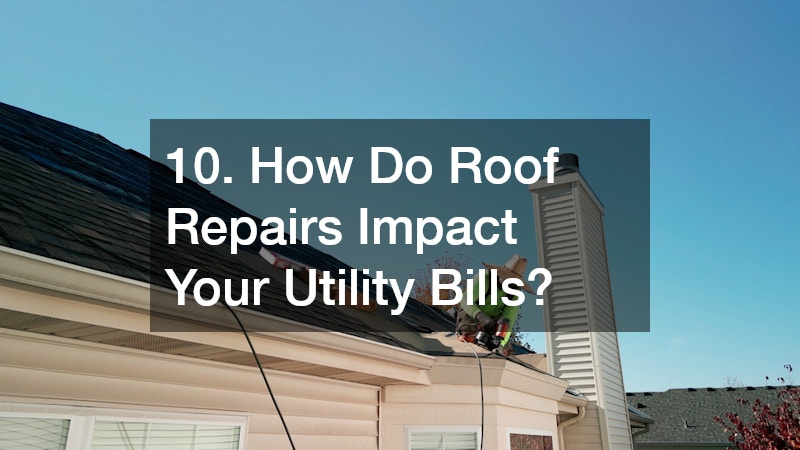
Roof repairs have a profound effect on lowering utility bills by sealing air leaks. Unsealed gaps and cracks in the roof allow for heat transfer, leading to increased HVAC usage. By addressing these issues, homeowners can reduce energy consumption and improve indoor comfort.
Enhancing roof ventilation through repairs optimizes air movement, contributing to efficient temperature regulation. Proper ventilation prevents moisture build-up and prolongs the roof’s lifespan. A well-ventilated attic reduces the need for excessive heating or cooling, translating to energy savings.
Utilizing insulation and radiant barriers during roof repairs adds another layer of energy efficiency. These materials minimize heat exchange between outdoor and indoor environments. Upgrading roof insulation ensures that homes remain energy-efficient sanctuaries year-round.
Implementing energy-efficient upgrades not only decreases utility bills but also benefits the environment. Consider consulting professionals to maximize your home’s energy efficiency using these practical solutions. With comprehensive home improvements, savings and sustainability are well within reach.
Many homeowners begin their efficiency improvements by addressing areas where energy loss commonly occurs. Sealing gaps around windows and doors, improving insulation, and upgrading weatherproofing materials can help maintain stable indoor temperatures. These simple improvements allow heating and cooling systems to operate more efficiently.
Modern technology also provides new opportunities for managing energy use within the home. Smart thermostats, energy monitoring devices, and automated lighting systems allow homeowners to track and adjust their energy consumption more effectively. These tools support better control over household energy use.
Appliance upgrades can also contribute to long-term efficiency improvements. Replacing older appliances with newer, energy-efficient models often reduces electricity and water consumption. Over time, these changes can help lower operating costs while improving the performance of household systems.
Professional guidance can further enhance the results of energy efficiency projects. Home energy assessments conducted by trained professionals help identify areas where improvements can have the greatest impact. These evaluations allow homeowners to prioritize upgrades that deliver the most noticeable benefits.
By combining thoughtful upgrades with consistent maintenance, homeowners can create a more efficient and comfortable living environment. These improvements support long-term cost savings while contributing to a home that operates more sustainably.