
Maintaining a perfectly balanced indoor environment is one of the most rewarding aspects of modern homeownership. A truly comfortable home goes beyond merely setting a smart thermostat to a target temperature; it requires a holistic approach where technology, structural integrity, and seasonal maintenance work in harmony. When your living spaces suffer from persistent drafts, hot spots, or sudden humidity spikes, the underlying issue is rarely just a struggling air conditioning unit or furnace. Instead, it is usually a sign that your home’s broader thermal envelope needs attention.
Creating an ideal indoor climate requires thinking of your home as an interconnected ecosystem. The roof, exterior walls, entryways, ductwork, and window treatments all function as a coordinated defense against extreme outdoor weather. If one of these components breaks down, your heating and cooling systems must work significantly harder, leading to uncomfortable temperature fluctuations and inflated energy bills. By executing a proactive, top-to-bottom maintenance plan, you can protect your investment, lower operational costs, and enjoy consistent, tailored comfort in every room throughout the entire year.
Fortifying the Overhead Shield to Block Extreme Heat and Cold
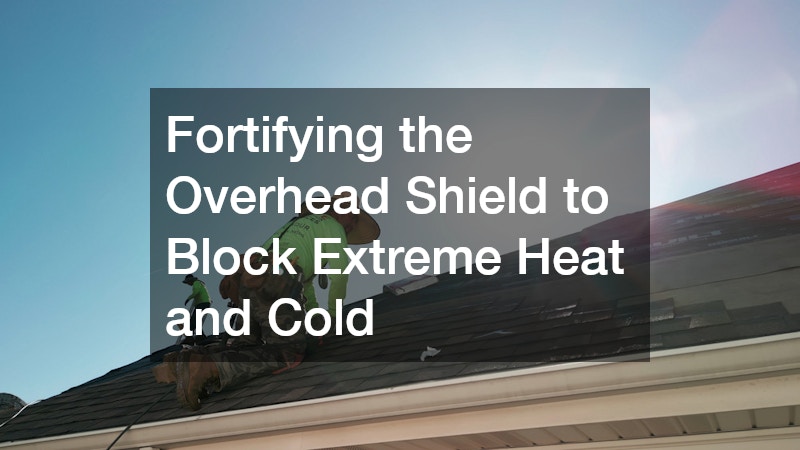
Your roof serves as the primary barrier against solar radiation, torrential rain, and freezing temperatures. Because heat naturally rises in the winter and bakes down from the attic in the summer, any vulnerability in your roof directly impacts your home’s internal temperature regulation. Keeping this overhead shield in prime condition ensures that hot or cold air stays where it belongs: outside.
To maintain a resilient overhead defense, home maintenance routines should prioritize structural checks and proper attic environmental controls:
- Perform Seasonal Attic Assessments: Walk through your attic twice a year to check for daylight peeking through roof boards, water staining on rafters, or compressed insulation. Damp or flattened insulation loses its thermal resistance, letting conditioned indoor air escape into the attic.
- Inspect Roof Penetrations and Flashing: Pay close attention to the seals around chimneys, skylights, and attic vent pipes. Cracking sealant or rusted flashing allows moisture to infiltrate wall cavities, destroying insulation efficiency.
- Clear Debris and Monitor Drainage: Keep gutters and downspouts clear of leaves and twigs. Stagnant water can pool along the roof edge, leading to ice dams in the winter and rotted fascia boards in the summer.
- Check Ridge and Soffit Vents for Blockages: Ensure intake soffit vents remain clear of blown-in insulation and debris so continuous airflow can sweep excess thermal heat out through ridge exhaust systems.
- Monitor Roof Shingle Condition: Look for curled, cracked, or missing shingles after severe storms, as damaged surface layers allow solar radiation and moisture to penetrate deep into sub-roofing decks.
- Trim Overhanging Tree Branches: Prune back large tree limbs near the roofline to increase sunlight exposure, prevent physical scuffing of roof membranes, and reduce moisture retention along shingle surfaces.
When minor repairs are no longer sufficient to stop heat transfer, engaging a professional roofing company becomes essential for evaluating the overall structural soundness of your upper envelope. Experienced contractors can identify subtle micro-tears in underlayment materials that cause hidden thermal leaks.
If your home’s covering is approaching the end of its functional life, planning a full roof replacement offers a major opportunity to dramatically boost energy performance. Upgrading to modern cool-roof shingles, reflective underlayment membranes, and enhanced ridge ventilation systems reduces attic temperatures by up to thirty degrees during peak summer months, taking immense pressure off your air conditioning units.
Sealing the Exterior Cladding to Eliminate Air Leakage
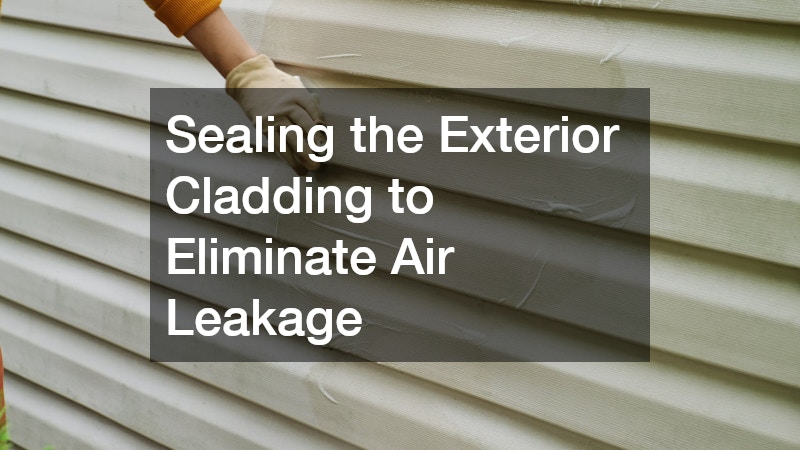
While the roof handles vertical weather loads, your home’s exterior walls represent the largest surface area vulnerable to horizontal wind, moisture, and temperature fluctuations. Wall assemblies that lack proper weather barriers or suffer from compromised exterior panels allow outside air to seep directly into wall cavities. This creates cold spots along interior walls during winter and suffocating humidity traps in the summer.
Protecting your exterior walls requires a combination of regular cleaning, sealing, and structural oversight:
- Check Caulking Around Exterior Trim: Inspect the caulking where exterior panels meet window frames, door trim, and corner posts. Dry, cracked caulk should be scraped away and replaced with high-grade exterior elastomeric sealant.
- Maintain Clean Weep Holes: Ensure that weep holes along the bottom edges of exterior wall panels remain open and free of dirt or insect nests, allowing trapped moisture to drain freely rather than soaking into sub-sheathing.
- Look for Thermal Bridging Signs: Walk around your interior perimeter during extreme cold snaps to feel for cold zones along exterior-facing walls, which often point to gaps in wall insulation or settling exterior sheathing.
- Wash Exterior Wall Surfaces Annually: Remove dirt, mildew, and grime from external wall panels using mild detergents to preserve material integrity and spot minor wall damage early.
- Seal Hose Bibs and Exterior Cable Penetrations: Apply expanding foam or exterior sealant around outdoor spigots, electrical outlets, and conduit lines where drafty air leaks into wall cavities.
- Maintain Clearance Above Soil Grade: Keep soil, mulch, and landscaping beds at least six inches below exterior wall cladding to prevent ground moisture from wicking up into lower wall assemblies.
Addressing complex exterior wall failures often requires specialized equipment and expertise. Partnering with professional siding contractors allows you to conduct thorough moisture audits and thermal imaging scans to spot hidden rot, pest damage, or wind displacement behind wall panels.
When existing cladding has degraded beyond simple repair, investing in a comprehensive siding installation service can transform your home’s energy profile. Modern exterior systems frequently feature integrated rigid-foam insulation backing board, creating a continuous thermal break around your home frame that stops heat transfer directly through wood studs.
Tightening Perimeter Access Points and Heavy Barrier Openings
Doors and ground-level openings represent intentional breaks in your home’s continuous exterior shell. Because these components move constantly, their weatherstripping, latches, and hinges experience steady wear and tear. Over time, even microscopic gaps around perimeter doors can leak as much conditioned air as leaving an entire window cracked open year-round.
Maintaining airtight entryways involves straightforward tests and routine mechanical adjustments:
- Conduct the Dollar Bill Air-Leak Test: Close your exterior doors on a standard sheet of paper or dollar bill. If you can pull the paper out easily without resistance, your weatherstripping is worn out and needs immediate replacement.
- Calibrate Door Bottom Sweeps and Thresholds: Adjust adjustable door thresholds upward using a screwdriver until the flexible sweep tightly contacts the threshold without binding the door movement.
- Insulate Shared Garage Partition Walls: Keep interior access doors between the house and garage securely latched, and install high-density magnetic weatherstripping around the frame to stop exhaust fumes and extreme temperatures from invading living spaces.
- Lubricate Door Hinges and Lock Mechanism Hardware: Apply silicone spray to hinges, deadbolts, and latches to ensure doors pull tightly flush against perimeter weatherseals when closed.
- Inspect Glass Door Glazing and Frame Seals: Examine sliding glass door tracks and glass perimeter seals for dried-out rubber channels or cracked sealant that permits draft seepage.
- Install Foam Gaskets Behind Exterior Wall Switches: Place inexpensive pre-cut foam insulating gaskets behind outlet plates and light switches situated on interior walls connected to unconditioned spaces.
For aging, warped, or drafty entry points, hiring an expert door contractor is the most effective way to restore a tight seal. A specialist ensures that new fiberglass or steel insulated units are perfectly squared within the rough opening, preventing air gaps around the jambs.
Additionally, attached garages present a unique thermal challenge because their massive front doors are susceptible to heavy physical wear and mechanical misalignment. Scheduling timely garage door repair ensures that heavy multi-panel doors seat flush against bottom bulb seals and side weather-tracks, preventing cold draft tunnels from cooling off adjacent living quarters and room spaces above the garage.
Optimizing HVAC Performance, Air Delivery, and Ductwork Integrity

Your mechanical heating and cooling systems serve as the heart of your indoor climate control. However, even the most advanced multi-stage heat pump or furnace cannot maintain uniform room temperatures if air distribution paths are clogged, leaking, or improperly balanced. Routine system maintenance ensures efficient air movement throughout every branch of your home.
Keep your climate control systems operating smoothly with these essential maintenance habits:
- Adhere to Strict Filter Replacement Cycles: Replace return air filters every sixty to ninety days, choosing a MERV rating recommended by your equipment manufacturer. Clogged filters restrict airflow, forcing blower motors to overheat and consume excessive electricity.
- Balance Supply Registers Across Zones: Keep supply registers and return grilles unobstructed by furniture, heavy drapes, or rugs. Closing off registers in unused rooms alters duct static pressure and can damage the compressor.
- Program Smart Thermostat Offset Schedules: Set realistic temperature setbacks for when the house is empty, ensuring ramps up or down occur gradually to prevent system strain during peak utility hours.
- Clear Outdoor Condenser Unit Perimeter: Maintain a three-foot clear zone around outdoor AC or heat pump units by trimming back weeds, leaves, and bushes to ensure optimal coil airflow.
- Flush Condensate Drain Lines Periodically: Pour a cup of vinegar down the condensate drain line to prevent algae buildup, standing water clogs, and automatic system shutoffs during humid seasons.
- Inspect Exposed Metal Ductwork Joints: Examine basement and attic duct runs for unsealed seams, applying mastic sealant or foil tape over gaps to stop air losses before distribution.
To keep complex heating and cooling machinery running safely and efficiently, establish an ongoing service agreement with qualified HVAC contractors. Licensed technicians can verify refrigerant charges, clean dirty evaporator coils, test electrical capacitance, and inspect heat exchangers for dangerous cracks.
Complementing mechanical checkups with a professional air duct cleaning service ensures that the network of hidden supply and return lines remains free of thick dust accumulation, mold spores, and construction debris. Clean ducts improve airflow velocity, reduce indoor allergy triggers, and eliminate dirty smells whenever the fan kicks on.
Managing Radiant Solar Heat and Floor Thermal Mass
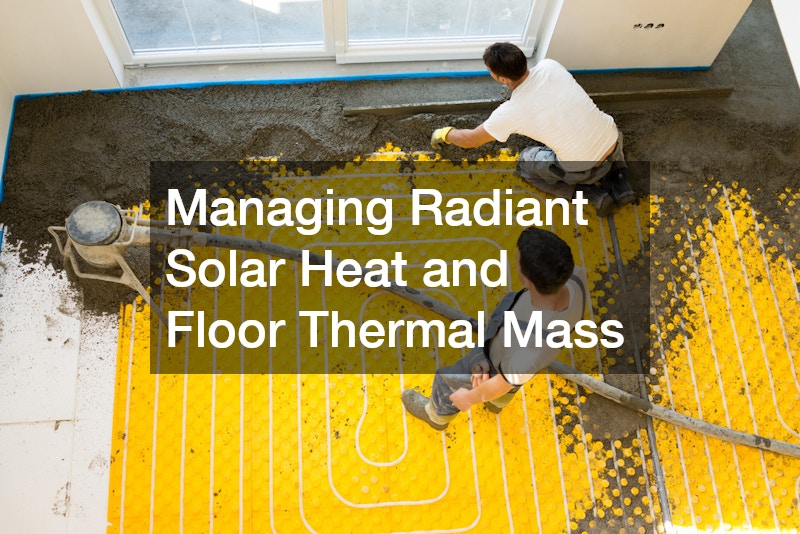
The final tier of smart indoor climate control takes place inside the living environment itself. Sunlight streaming through clear glass windows can rapidly heat up a room, creating severe temperature imbalances between north-facing and south-facing zones. Similarly, uninsulated subfloors can siphon warmth straight out of your feet, making a room feel chilly even when the thermostat reads seventy degrees.
You can manage radiant solar gain and floor temperatures using a few strategic interior upgrades:
- Implement Schedule-Based Solar Shading: Lower window coverings along eastern exposures in the morning and western exposures in the late afternoon during summer months to block solar radiation before it heats up interior air.
- Insulate Crawlspaces and Unheated Basements: Install continuous vapor barriers over bare dirt crawlspace floors and secure rigid insulation boards along foundation walls to keep cold dampness away from subflooring.
- Utilize Strategic Area Rugs: Place thick, insulated area rugs with dense felt backing over tile or hard surface floors during winter to add an extra layer of thermal resistance underfoot.
- Apply Solar Control Window Films: Affix low-emissivity micro-thin window films to sun-drenched panes to reflect radiant heat energy without reducing daylight visibility inside.
- Utilize Ceiling Fans for Seasonal Air Circulation: Run ceiling fans counterclockwise at higher speeds during summer to produce cooling breezes, and switch them to clockwise at low speeds in winter to redistribute rising heat.
- Seal Baseboard Gaps Along Perimeter Walls: Apply clear or paintable interior caulk beneath baseboards along exterior-facing rooms to block subterranean drafts from rising into living spaces.
Controlling light levels and heat transfer at glass openings is simplified when you work with experienced window blind services. Custom-fitted cellular shades, motorized solar blinds, and insulated drapery tracks block light bleed along window frames and provide customizable solar shading that can be integrated with smart home automation platforms.
Finally, when updating interior living areas, consulting skilled flooring services allows you to choose surface materials that contribute actively to climate stability. Installing luxury vinyl plank with pre-attached acoustic cork backing, radiant floor heating coils, or eco-friendly engineered hardwoods over high-density thermal underlayment transforms cold ground surfaces into warm, inviting spaces that hold heat effectively.
Achieving a comfortable indoor climate requires a balanced combination of structural maintenance, smart device management, and mechanical upkeep. By treating your home as a complete system—where the roof, walls, doors, floors, and HVAC equipment work in unison—you can eliminate stubborn drafts, stabilize room-to-room temperatures, and keep humidity under control. A proactive approach to home care not only enhances your daily living experience but also protects your property from costly moisture damage and high utility bills. Take the time to audit your home’s defenses today, address small issues before they expand, and enjoy the peace of mind that comes with a perfectly balanced home environment.