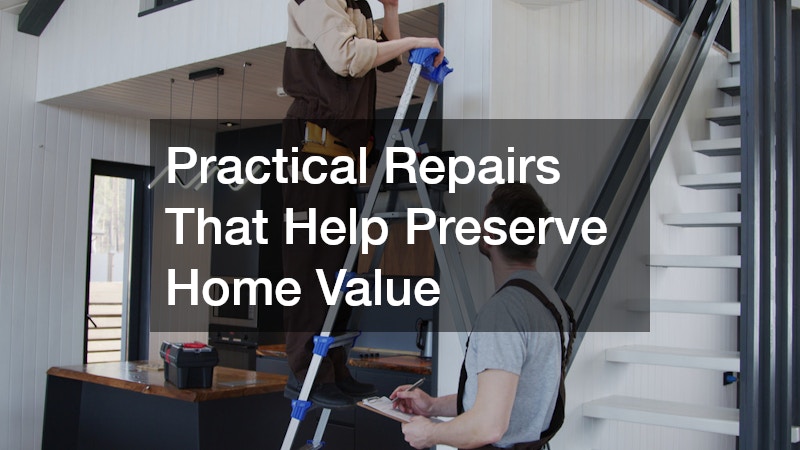
A home does not usually lose value all at once. More often, value slips away through small problems that are easy to ignore at first: a draft near the patio door, a damp smell in the basement, a loose railing on the deck, or a stain on the ceiling that seems too minor to worry about. None of these issues may feel urgent on their own, but together they can make a property look neglected, less efficient, and more expensive to maintain.
Practical repairs help protect the things buyers, inspectors, appraisers, and homeowners notice most. They support safety, comfort, curb appeal, efficiency, and long-term structural condition. Just as importantly, they help prevent avoidable damage from spreading into more expensive areas of the home.
The goal is not to chase every possible upgrade or remodel the entire property. In many cases, the smartest way to preserve home value is to stay ahead of repairs that affect how the home functions day to day. When a house feels solid, dry, secure, comfortable, and well cared for, that impression matters while you live there and when it is time to sell.
Protecting Access Points Before Safety Slips
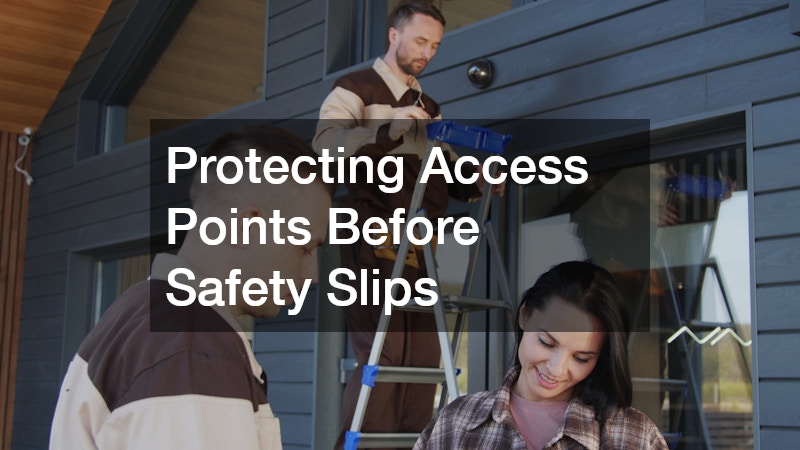
Doors are easy to take for granted until they stop working properly. A garage door that shudders on the way down, a patio door that no longer locks cleanly, or an exterior glass panel with a small crack can all seem like minor annoyances. But entry points play a big role in home value. They affect security, insulation, weather protection, and the overall sense that the home has been maintained with care.
Garage doors deserve special attention because they are heavy, mechanical, and used frequently. If a door is stuck halfway open, hanging unevenly, scraping along the track, or making sharp popping noises, it is not just inconvenient. It may be unsafe. Springs, cables, tracks, and openers can fail in ways that create real risk for people, vehicles, and belongings. That is when emergency garage door repair may be the right call, especially if the door cannot be secured or operated safely.
Glass doors create a different set of problems. A sliding door that drags every time it opens may be putting stress on the frame. Fogging between panes often means the seal has failed. Cracks, chips, and drafts can affect both safety and efficiency. In some cases, glass door replacement is less about appearance and more about restoring the door’s performance as a barrier against weather, noise, and unwanted access.
A simple seasonal check can prevent many of these issues from becoming larger problems. Open and close exterior doors slowly. Listen for unusual sounds. Look for daylight around frames. Test locks, handles, weatherstripping, and tracks. If something feels forced or unstable, it is better to address it early than wait until the door fails completely.
Keeping Indoor Comfort Systems Working Reliably
Comfort systems have a quiet influence on home value. Buyers may admire a kitchen or living room first, but they quickly lose confidence if rooms feel unevenly heated, vents barely push air, or utility bills seem unusually high. A home that is comfortable and predictable feels better maintained, even when the systems themselves are not visible.
Heating issues often start subtly. One bedroom feels colder than the rest of the house. The system cycles on and off more often than it used to. A dusty or burning smell lingers after the unit starts. The thermostat says one thing, but the house feels like another. These are the kinds of signs homeowners should take seriously before they become full breakdowns.
Heating repairs are especially important because delayed service can strain the entire system. A worn part, blocked airflow, dirty filter, ignition issue, or thermostat problem may cause the equipment to work harder than necessary. That extra strain can raise energy costs and shorten the system’s useful life.
Working with a local hvac company can be helpful because climate, housing styles, and system demands vary by region. A technician familiar with the area may recognize common issues in older homes, newer subdivisions, or properties with specific heating setups.
Homeowners can support their systems between service visits by replacing filters regularly, keeping vents open and unobstructed, and paying attention to changes in sound or airflow. It also helps to keep service records. A folder of maintenance receipts can reassure future buyers that the home’s major systems have been cared for rather than ignored.
Stopping Roof Problems Before Water Spreads
Few repairs protect home value as directly as roof maintenance. The roof shields the attic, insulation, ceilings, walls, electrical systems, and sometimes even the foundation from water intrusion. When roof problems go unnoticed, damage can spread quietly before obvious signs appear inside the house.
Imagine a homeowner who spots a small brown stain near an upstairs ceiling vent. It does not drip, and it does not grow quickly, so they put it off. Months later, after several storms, the stain darkens. The attic insulation nearby is damp. A section of roof decking has softened. What might have been a flashing repair or shingle replacement has turned into a much more involved project.
That is why visual checks matter. Homeowners do not need to climb onto the roof to notice early warning signs. From the ground, look for missing shingles, lifted edges, sagging areas, damaged flashing, or heavy moss and debris. Inside the attic, check for musty smells, darkened wood, wet insulation, or daylight showing through gaps.
For anything beyond a simple visual check, local residential roofing contractors can provide a more accurate assessment. They can look at problem areas, identify storm or age-related damage, and explain whether a repair is enough. Sometimes a targeted repair is the practical choice. Other times, repeated leaks, widespread material failure, or advanced age may make a roof replacement service the better long-term investment.
The decision should account for the roof’s remaining lifespan, the condition of the underlayment and decking, ventilation, warranty coverage, and the risk of future water damage. A roof is not the most glamorous part of the home, but when it is in poor condition, almost every other improvement becomes less secure.
Fixing Plumbing Risks Before Damage Escalates
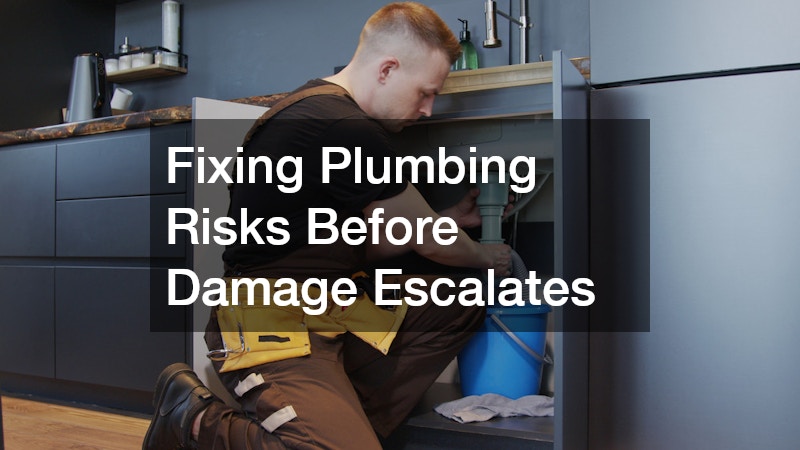
Plumbing problems can be frustrating because they often hide behind walls, below floors, or underground. A slow drain may seem harmless. A boiler leak may look like a small puddle. A faint sewer odor may come and go. But water-related issues are among the most damaging problems a homeowner can postpone.
One of the most important habits is paying attention to patterns. A single slow sink may be a local clog. Multiple slow drains throughout the home suggest a larger issue. A small amount of moisture near equipment may be condensation, but recurring water around the same area deserves a closer look.
Boilers require particular care because they support heat and hot water in many homes. Warning signs can include inconsistent heat, pressure changes, banging or whistling sounds, leaks near the unit, or trouble with ignition. Prompt boiler repairs can help prevent damage to nearby flooring, walls, and mechanical components. They can also improve efficiency and reduce the chance of sudden heat loss.
Sewer problems are another area where delay can become costly. Repeated backups, gurgling toilets, sewage smells, soggy patches in the yard, or drains that slow down throughout the house may point to a failing main line. While cleaning can solve some blockages, damaged or collapsed lines may eventually require sewer line replacements. That is a major project, but it can also prevent recurring interior damage and serious sanitation concerns.
Homeowners can reduce risk by being careful about what goes down drains, scheduling inspections when warning signs appear, and keeping trees with aggressive roots away from vulnerable lines when possible. For older homes, a camera inspection can be especially useful before buying, selling, or planning major landscaping.
Refreshing Outdoor Spaces With Practical Upgrades
Outdoor areas influence value because they shape the way people experience the home before they even step inside. A cracked walkway, tired deck surface, uneven patio, or neglected entry path can make a property feel older than it is. On the other hand, outdoor spaces that are safe, usable, and clean can make a home feel more inviting without requiring a full-scale renovation.
The best exterior updates are not always the flashiest. They are often the ones that improve function. A deck with weathered boards may still have a sound frame, which means deck refacing could restore the surface, improve safety, and refresh the appearance without rebuilding the entire structure. This can be especially useful when the layout still works but the visible materials have taken a beating from sun, moisture, and foot traffic.
Before making cosmetic changes, homeowners should check the basics. Railings should feel secure. Stairs should not wobble. Boards should not feel soft underfoot. Fasteners should not be sticking up. If the underlying structure is compromised, resurfacing alone will not solve the problem.
Hardscaping can also improve both appearance and usability. Paver installation may be useful for walkways, patios, garden paths, driveway extensions, or seating areas. Properly installed pavers can define outdoor spaces, reduce muddy traffic areas, and create a more finished look. The practical detail that matters most is drainage. Any exterior surface should help move water away from the home, not trap it near the foundation.
A homeowner preparing for outdoor repairs should walk the property after a heavy rain. Notice where water pools, where soil washes out, where surfaces become slippery, and where guests naturally walk. Those observations can guide better decisions than appearance alone.
Prioritizing Repairs Based on Risk and Value
Not every repair deserves the same urgency. Some problems are mostly cosmetic. Others can affect safety, structure, efficiency, or the cost of future repairs. Preserving home value means learning how to sort issues in a practical order instead of reacting only to what looks worst.
A faded wall, for example, may be noticeable, but it is unlikely to cause further damage. A small roof leak, on the other hand, can lead to wet insulation, stained ceilings, mold concerns, and damaged framing. A loose cabinet handle can wait. A loose stair railing should not. The most valuable repairs are often the ones that prevent additional problems.
A useful way to prioritize is to ask three questions:
- Could this issue create a safety risk?
- Could this issue allow water, pests, or weather into the home?
- Could delaying this issue make another system work harder or fail sooner?
If the answer is yes to any of those questions, the repair should move higher on the list.
Documentation also plays a role in protecting value. Keep invoices, inspection notes, warranty information, before-and-after photos, and product details in one place. This habit helps homeowners track what has been done and when. When selling, records help tell a story of responsible ownership and reduce buyer uncertainty.
Choosing Between Repair, Replacement, and Inspection

One of the hardest parts of home maintenance is knowing when a repair is enough and when a bigger step is needed. Homeowners often want to avoid overspending, which is understandable. But choosing the cheapest short-term option can become expensive if the same problem keeps returning.
A practical decision starts with the age and condition of the affected system. If the issue is isolated and the rest of the system is in good shape, repair often makes sense. If breakdowns are becoming frequent, parts are difficult to find, or the system is near the end of its expected lifespan, replacement may offer better long-term value. If the cause is unclear, an inspection can prevent guesswork.
This is where a homeowner should slow down and ask better questions before approving work. A reliable contractor should be able to explain what failed, why it failed, how urgent it is, and what could happen if the repair is delayed. For larger projects, getting more than one estimate can also help clarify whether the recommended solution is reasonable.
It is also worth separating emotional urgency from actual urgency. Some problems look terrible but are contained. Others look minor but point to serious hidden damage. A stained ceiling, a musty crawl space, or recurring electrical flickering should not be dismissed just because the house still functions.
Homeowners should also think about how a repair fits into future plans. If you expect to sell soon, focus on issues that inspections are likely to flag and buyers are likely to question. If you plan to stay for many years, prioritize durability, safety, efficiency, and comfort.
Preserving Value Through Consistent Attention
Protecting home value is less about dramatic improvements and more about steady care. A well-maintained home usually feels different. Doors close properly. Rooms stay comfortable. Water drains where it should. Outdoor spaces feel safe to use. The property gives the impression that someone has been paying attention.
That does not mean every repair has to happen at once. Most homeowners need to work within a budget and make decisions in stages. The smartest place to begin is with problems that affect safety, water control, weather protection, and major system performance. From there, smaller updates can improve appearance, comfort, and everyday function.
It can help to walk through the home twice a year with a notepad and a practical eye. Look at the property the way a buyer, inspector, or guest might see it. Notice what feels worn, loose, damp, inefficient, or unfinished. Then sort the list by urgency rather than emotion.
A home is usually the largest investment a person owns, but it is also a place people live in every day. Practical repairs protect both sides of that equation. They help preserve financial value while making the home safer, more comfortable, and easier to enjoy right now.